

Rental Property Painting in Anchorage: Turnover Tips for Landlords and Property Managers
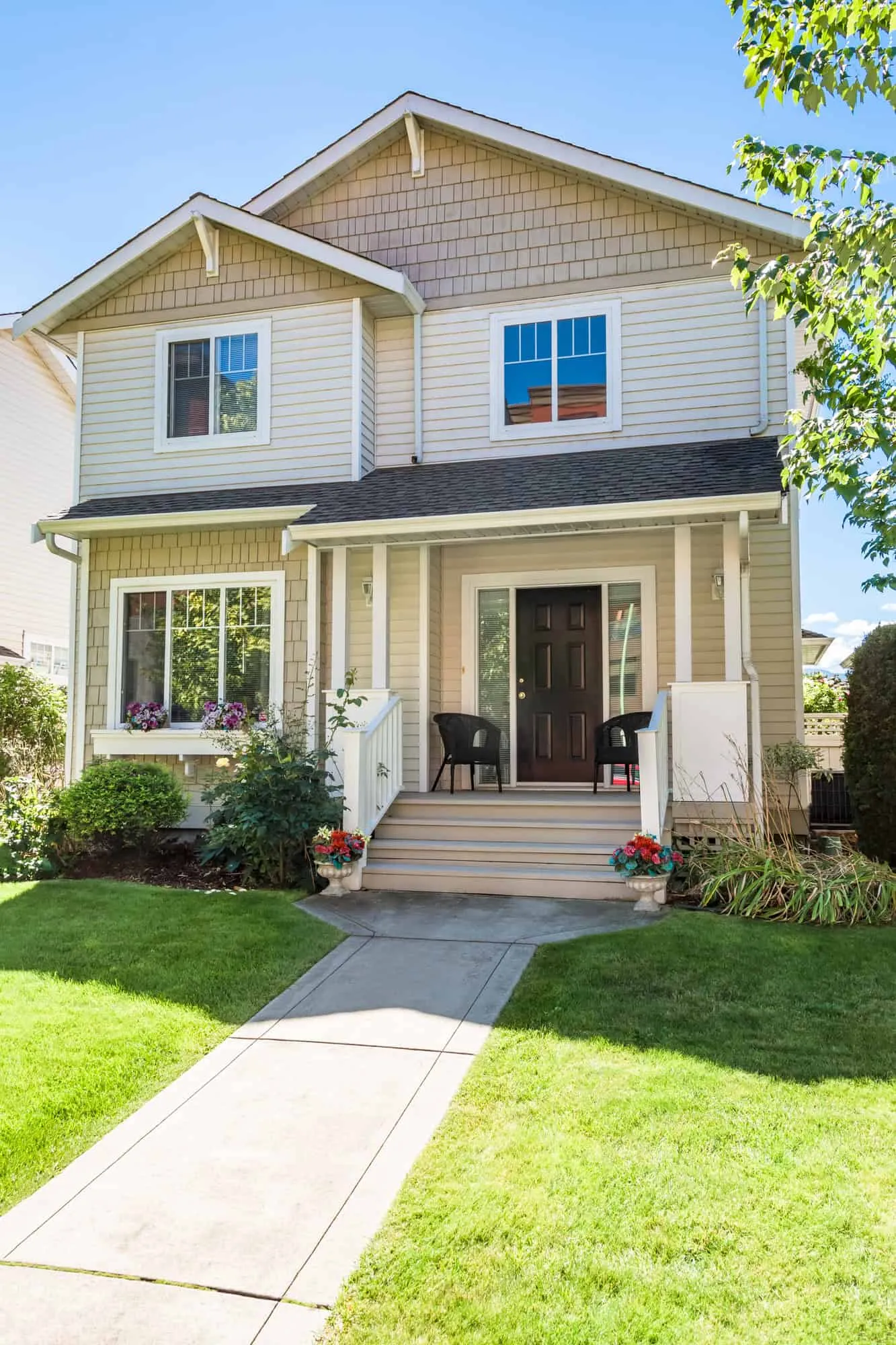
Exterior Painting
Rental turnover can move fast.
One tenant moves out, another tenant is ready to move in, and the property needs to look clean, fresh, and well cared for in between. For landlords and property managers, painting is often one of the most important parts of that process.
Fresh paint can make a rental feel brighter, cleaner, and more move-in ready.
It can also help cover normal wear and tear from daily living, repair minor wall flaws, and create a better first impression for the next tenant.
For anyone searching for rental property in Anchorage, the main goal is usually simple: get the unit ready quickly without making the work look rushed.
That balance matters.
A poor paint job can leave visible patches, uneven color, sloppy edges, or missed wall damage. A more efficient painting process can help protect the property, enhance tenant appeal, and reduce rework during future turnovers.
Campbell Painting helps Anchorage landlords and property managers approach rental painting with better planning, better prep, and a finish that supports a smoother turnover.
Why Painting Matters During Rental Turnover
Paint affects how a rental feels the moment someone walks in.
Even if the flooring, appliances, and layout are in good condition, marked-up walls can make the unit feel tired. Scuffs near entryways, nail holes in bedrooms, dents in hallways, and stained kitchen walls can all detract from the property's appearance.
Fresh paint helps reset the space.
It removes signs of the last tenant and gives the next tenant a cleaner start. This can make the rental feel more inviting during showings, inspections, and move-in walkthroughs.
Painting also helps landlords maintain the property over time.
Walls take daily wear. If that wear is ignored across several tenants, the unit can begin to look neglected. Repainting during turnover helps prevent small issues from becoming larger visual problems.
For Anchorage rentals, where tenants may spend more time indoors during long, cold seasons, the condition of interior walls can make a big difference.
A clean paint job helps the rental feel warmer, brighter, and better maintained.
Start With a Turnover Painting Plan
A fast turnover should still have a plan.
Before painting begins, landlords and property managers should decide which areas need a full repaint, which areas only need touch-ups, and which walls need repair first.
Not every turnover requires repainting the entire unit.
Some rentals may need only high-traffic areas, such as hallways, entryways, living rooms, and bedrooms. Other units may need a full repaint because of stains, odor concerns, mismatched touch-ups, heavy scuffs, or major wall damage.
A painting plan helps avoid wasted time.
It also helps keep the project organized when other turnover tasks are happening at the same time. Cleaning, flooring repairs, maintenance work, appliance checks, and painting all need to be scheduled in the right order.
Painting too early can lead to damage from other workers.
Painting too late can delay move-in.
A planned process helps keep the turnover moving without sacrificing the final result.
Inspect the Walls Before Choosing Paint
Before deciding on paint color or finish, carefully inspect the walls.
Look for nail holes, anchor holes, dents, cracks, peeling paint, stains, water marks, grease, smoke residue, and damaged corners. These issues should be addressed before new paint is applied.
Paint does not fix wall damage on its own.
It may hide some marks, but it can also make rough patches more noticeable once the light hits the surface.
Anchorage rental properties may also have moisture-related issues in bathrooms, kitchens, laundry areas, and lower-level spaces. If walls show bubbling, staining, or peeling, the underlying issue should be addressed before repainting.
A good wall inspection helps determine the scope of work.
It also helps prevent surprises halfway through the job.
For landlords and property managers, this step is especially important because rental painting often has a deadline. Finding wall problems early gives the project a better chance of staying on track.
Repair Wall Damage Before Painting
Wall repair is one of the most important parts of painting a rental property.
Tenants often leave behind small holes from artwork, shelving, television mounts, curtain rods, and wall décor. These holes may seem minor, but they can stand out after repainting if they are not repaired properly.
Dents and gouges should also be fixed before paint goes on.
Entryways, stairwells, living rooms, and bedrooms are often the most damaged. Furniture, luggage, moving boxes, and daily traffic can leave marks throughout the unit.
If the rental has damaged corners, those should be repaired too.
Corners can become chipped or dented from furniture moves and regular tenant use. New paint over a broken corner still looks unfinished.
Good wall prep helps the finished paint job look cleaner and more professional.
For rental property painting Anchorage, repair work is not just about appearance. It helps preserve the unit and makes future turnovers easier.
Choose Rental-Friendly Paint Colors
Color selection matters in rental properties.
A rental paint color should appeal to a wide range of tenants, work with different furniture styles, and make the unit feel clean and open.
Neutral colors are often the best choice.
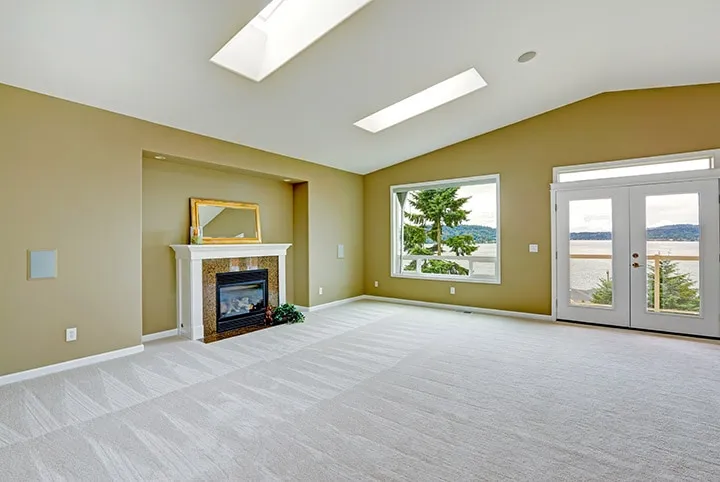
Soft white, warm gray, light greige, beige, and muted off-white shades can work well in many rental spaces. These colors help rooms feel brighter and allow tenants to imagine their own furniture in the home.
Very bold colors can be risky in rentals.
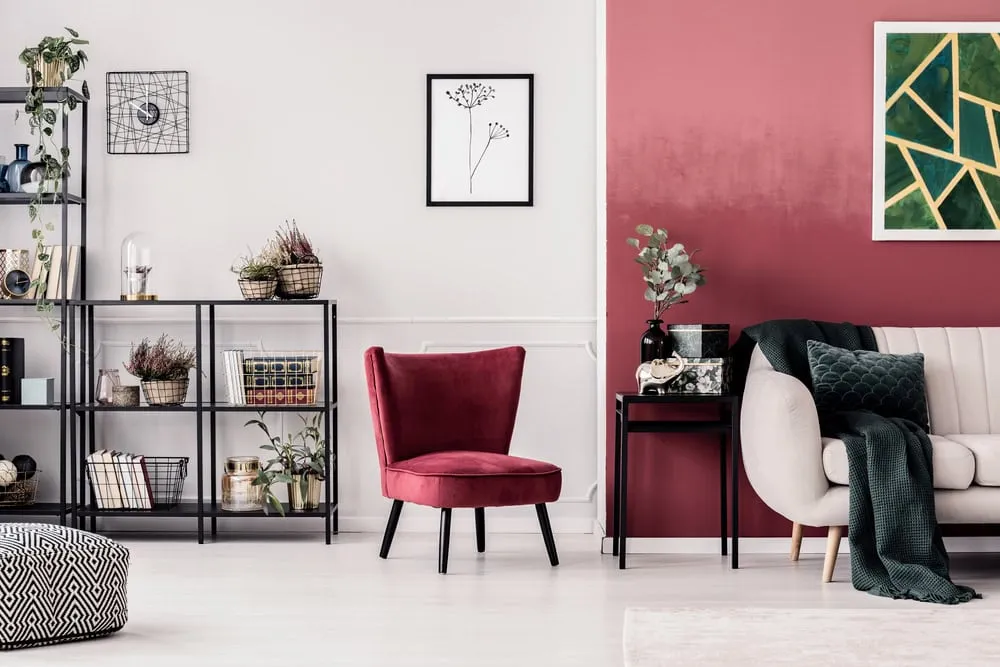
A deep red bedroom, a dark green living room, or a bright accent wall may appeal to one person but turn another off. Bold colors can also take more time and material to repaint during the next turnover.
That does not mean every rental has to feel plain.
The right neutral can still look warm, modern, and polished. The goal is to choose a color that feels clean without being cold.
Campbell Painting can help landlords choose practical colors that work well for repeated rental use.
Use the Same Color Across Units When Possible
Property managers with multiple rental units may benefit from using a consistent paint color.
A standard color makes touch-ups easier. It also simplifies future repainting because the paint choice is already known.
When every unit has a different color, turnover painting can become more complicated.
Matching old paint can be difficult. Touch-ups may show. Extra paint may be wasted. Crews may need more time to confirm colors before work begins.
Using the same wall color across several units can make the process smoother.
It also helps create a consistent look across the property. This can be useful for apartment buildings, duplexes, fourplexes, and rental portfolios with similar layouts.
The key is to choose a color that works in different lighting conditions.
A color that looks good in one unit may look different in another because of window placement, flooring, and artificial lighting. Testing the color before making it a standard choice can help avoid problems.
Select the Right Paint Finish for Rentals
The paint finish is just as important as the paint color.
In rental properties, durability and cleanability matter. Walls often need to withstand move-ins, move-outs, furniture, children, pets, and frequent cleaning.
Flat paint can hide wall imperfections, but it is often harder to clean.
Eggshell or satin finishes are common choices for rental interiors because they offer a balance between appearance and washability. They can help walls handle light cleaning better than flat paint.
Bathrooms, kitchens, laundry areas, and trim may need more durable finishes.
Semi-gloss or satin can work well for doors, trim, and areas that receive more contact. These finishes are easier to wipe down, which can help during turnovers.
The wrong finish can create problems.
Too much sheen can highlight wall flaws. Too little durability can lead to more repainting after each tenant.
A practical finish choice helps the unit look good and perform better between turnovers.
Do Not Skip Primer When It Is Needed
Primer is not always needed on every wall, but it is very important in certain situations.
Primer may be needed when covering dark colors, stains, patched drywall, smoke residue, water marks, or glossy surfaces. It can also help improve adhesion and create a more even base for the finish paint.
Skipping primer can lead to uneven results.
Old stains may bleed through. Patched areas may flash. Strong colors may require extra coats. Paint may not bond properly to certain surfaces.
In rental turnovers, primer can save time when used correctly.
Instead of applying several coats of finish paint to hide a problem, the right primer can help create a better base from the start.
This is especially useful when a tenant has painted a room a strong color or left stains behind.
Primer helps create a cleaner, more even surface before the final paint color is applied.
Handle Odor and Stain Issues Before Painting
Rental units can sometimes have odor or staining concerns after a tenant moves out.
Cooking residue, smoke, pets, moisture, candles, and heavy use can all affect walls and ceilings. Paint alone may not solve these problems if the surface is not prepared correctly.
Walls should be cleaned before painting when needed.
Grease, residue, and dirt can interfere with paint adhesion. If paint is applied to dirty surfaces, it may not bond well or appear uneven.
Stains should also be handled with the right primer.
Water stains, smoke marks, and other discoloration can bleed through regular paint. A stain-blocking primer may be needed before the finish coat.
Odor issues may require deeper cleaning and proper sealing before painting.
For landlords and property managers, addressing these issues early helps prevent tenant complaints after move-in.
A clean-smelling, freshly painted unit creates a much better first impression.
Paint After Repairs and Cleaning Are Done
The order of turnover work matters.
Painting should usually happen after major repairs are completed and after the unit has been cleaned enough for paint prep. If maintenance work continues after painting, new walls may get scratched, dented, or marked.
For example, flooring installation, appliance replacement, plumbing repairs, and heavy maintenance should be scheduled carefully to avoid conflicts with painting.
If workers are still carrying tools, ladders, or materials through the unit, freshly painted walls can be damaged.
At the same time, final cleaning should happen after painting.
This allows dust, tape, and small paint-related messes to be removed before the tenant moves in.
A good order might include inspection, repairs, cleaning of paint surfaces, drywall patching, sanding, priming, painting, and final cleaning.
When the schedule is organized, the turnover feels less chaotic.
Pay Attention to High-Traffic Areas
High-traffic areas often need the most attention when painting.
Entryways, hallways, stairways, kitchens, bathrooms, and living rooms are usually the first to show wear. These spaces collect scuffs, fingerprints, dents, and marks from daily use.
In Anchorage rentals, entry areas can be especially hard on walls.
Winter gear, boots, bags, coats, and sports equipment may move through the same space every day. This can create marks near doors, mudroom areas, and narrow hallways.
These areas may need more durable paint.
They may also need extra wall repair before painting. Corners, baseboard areas, and walls near light switches should be checked carefully.
Refreshing high-traffic areas can make the whole unit feel cleaner, even if some lower-use rooms only need light touch-ups.
A smart painting plan focuses attention where tenants and visitors notice wear the most.
Touch-Ups Can Work, But Only in the Right Situations
Touch-ups can be useful during rental turnover.
If the paint is fairly new, the color matches, and the walls have only minor marks, touch-ups may be enough. This can save time and reduce costs.
But touch-ups do not always blend well.
Paint color can change slightly over time. Walls may fade. Different application methods can create different textures or sheen. Even the same paint can look different if it comes from a newer can.
Touch-ups are more likely to show on walls with sheen or in areas with strong light.
Large touch-up areas can make a wall look patchy. In those cases, repainting the entire wall may produce a cleaner result.
Landlords and property managers should carefully consider their decisions.
A quick touch-up that looks obvious may detract from the unit's appearance. Sometimes, a full wall repaint is the better choice.
Repainting Full Walls Often Looks Cleaner
When wall damage or scuffing is spread out, repainting the full wall usually looks better than spot painting.
A full wall repaint creates an even color and sheen from corner to corner. This helps avoid the patchy look that can happen with multiple touch-ups.
Full wall repainting can be especially helpful in living rooms, bedrooms, hallways, and areas with natural light.
It may also be the best choice when the paint color is hard to match or the wall has been cleaned many times.
For rental properties, the goal is not always to repaint every surface.
The goal is to make smart choices that give the unit a clean, consistent appearance.
Sometimes that means touching up.
Sometimes that means repainting one wall.
Sometimes it means repainting the full unit.
A professional painter can help decide the best option based on the condition of the walls.
Trim and Doors Need Attention Too
Walls are not the only painted surfaces that affect a rental’s appearance.
Trim, baseboards, doors, window frames, and closets can show significant wear. These surfaces often collect scuffs, chips, fingerprints, and dents.
Baseboards can be especially noticeable after a tenant moves out.
Dust, furniture marks, vacuum damage, and shoe scuffs can make the trim look worn even if the walls are freshly painted.
Doors also take daily contact.
Bedroom doors, bathroom doors, closet doors, and entry doors may need touch-ups or repainting during turnover.
Fresh walls next to dirty or chipped trim can make the trim look worse.
That is why trim and doors should be reviewed as part of the painting plan. A clean wall finish looks better when the surrounding details are refreshed as well.
Bathrooms and Kitchens Need Durable Paint
Bathrooms and kitchens need special attention in rental properties.
These rooms deal with moisture, cleaning, cooking residue, splashes, and frequent use. Paint in these areas should be durable enough to handle those conditions.
In bathrooms, peeling paint may happen near showers, ceilings, or poorly ventilated areas.
Before repainting, the cause should be reviewed. If moisture is the issue, repainting without addressing airflow or surface condition may lead to repeated failure.
Kitchens may have grease or residue on walls, especially near cooking areas.
These surfaces should be cleaned before painting so the paint can bond properly.
A durable finish can help these rooms hold up better between tenants.
Choosing the right paint for kitchens and bathrooms can reduce future maintenance and help the property stay cleaner longer.
Ceiling Paint Can Refresh the Whole Unit
Ceilings are easy to overlook during turnover.
But stained, yellowed, or marked ceilings can make a rental feel older. A fresh coat of paint can brighten the room and make the entire space feel cleaner.
Ceilings may need painting if there are water stains, smoke marks, previous patching, discoloration, or uneven color.
Before painting over ceiling stains, the cause should be handled. Stains may need primer to keep them from showing through the new paint.
Ceiling paint can be especially helpful in living rooms, kitchens, bathrooms, and bedrooms.
Even when the walls are the main focus, ceilings should be inspected during turnover. A clean ceiling can enhance the overall look of the unit.
Keep Paint Records for Every Rental
Good records make future turnovers easier.
Landlords and property managers should keep track of paint colors, finishes, brands, rooms painted, and service dates. This can help with future touch-ups and repainting decisions.
Without records, matching paint becomes harder.
A painter may need extra time to identify colors, and the result may still not match perfectly. This can lead to unnecessary full-wall repainting.
Paint records are especially helpful for property managers handling multiple units.
A simple record system can save time during the next turnover. It can also help maintain consistency across a rental portfolio.
The more organized the paint information is, the easier it is to manage future maintenance.
Consider Tenant Appeal When Painting
Rental painting is partly about maintenance and partly about presentation.
A clean, freshly painted unit can help tenants feel more confident about the property. It suggests that the home has been cared for and prepared for their arrival.
First impressions matter.
A tenant walking into a freshly painted space is more likely to see the unit as clean and move-in ready. This can support a smoother leasing process.
Paint color also affects how rooms feel.
Light neutral colors can make rooms feel larger and brighter. Warm neutrals can make the space feel more comfortable. Clean trim can make the unit feel sharper.
For landlords, a good paint job can help the property stand out without requiring major renovations.
Small visual improvements can make a big difference during showings.
Avoid Overly Personal Colors
Rental units should feel flexible.
Tenants want to imagine their own furniture, art, and belongings in the space. Strong personal colors can make that harder.
Bright accent walls, unusual color combinations, or dark room colors may not appeal to everyone.
They can also increase turnover work later because bold colors often take more effort to cover.
A neutral color scheme helps the unit appeal to more tenants.
It also makes future painting easier. When a standard color is used, touch-ups and repainting can be handled more efficiently.
That does not mean the rental has to feel boring.
A warm, clean, modern neutral can make the space feel finished while still giving tenants room to make it their own.
Plan Painting Around Move-In Dates
Rental painting often has a deadline.
The next tenant may already have a move-in date, and every turnover task needs to fit within that window. Painting should be scheduled with enough time for repairs, drying, priming, finish coats, and final cleaning.
Rushing can lead to problems.
Patches may not dry fully. Paint may be applied too quickly. Touch-ups may be missed. Final cleaning may happen before the paint is ready.
A good schedule helps avoid these issues.
It is also important to allow enough time for walkthroughs after painting. This gives landlords or property managers a chance to check the work before the tenant arrives.
Painting should not be a last-minute emergency if it can be avoided.
Planning leads to better results and less stress.
Work With a Painter Who Understands Turnovers
Rental turnover painting is different from painting an occupied home.
The timeline is often tighter. The work may need to coordinate with cleaners, maintenance crews, flooring teams, and property managers. The goal is to refresh the unit efficiently while still producing a clean result.
A painter who understands turnover work can help keep the process moving.
They can identify which areas need full repainting, which can be touched up, and which repairs should be done before paint is applied.
Campbell Painting understands that landlords and property managers need reliable results.
A rental unit must look good for the next tenant, but the process must also make sense for the property owner. That means smart prep, practical product choices, and attention to the areas that most affect tenant impressions.
Protect Flooring, Fixtures, and Property Features
During rental painting, protection is important.
Floors, cabinets, countertops, fixtures, hardware, and appliances should be protected from paint splatter and dust. Even in an empty unit, careless painting can create extra cleanup or damage.
Drop cloths, tape, plastic, and careful cutting help protect the space.
This is especially important when the rental has newer flooring, updated countertops, or recently cleaned surfaces.
A neat painting process helps prevent delays.
If paint gets on the flooring or fixtures, the turnover can become more complicated. Extra cleaning or repair may be needed before the tenant moves in.
Professional painting is not only about the walls.
It is also about respecting the entire rental property during the work.
Paint Can Help Reduce Vacancy Time
A clean, freshly painted rental can help the unit show better.
When the space looks move-in ready, landlords and property managers may have an easier time attracting tenants. While paint alone cannot solve every leasing challenge, it plays an important role in presentation.
Photos can look better.
Showings can feel stronger.
Move-in walkthroughs can feel smoother.
A unit with marked-up walls may raise concerns for tenants. They may wonder what else has not been maintained. A freshly painted unit can create more confidence.
For rental property painting in Anchorage, this is one of the biggest reasons to include painting in the turnover plan.
A well-presented rental can enhance the leasing experience.
Rental Property Painting in Anchorage
Rental property painting is one of the most useful steps in turnover for landlords and property managers.
It helps refresh the space, repair wear and tear, improve tenant appeal, and maintain the property over time.
But the best results come from planning.
Inspect the walls first. Repair damage before painting. Choose practical colors. Use the right finish. Prime when needed. Pay attention to high-traffic areas, trim, doors, kitchens, bathrooms, and ceilings.
Avoid rushing through the work just to meet a deadline.
A rushed paint job can look patchy, uneven, or unfinished. A well-prepared paint job can make the rental feel clean, cared for, and ready for the next tenant.
For landlords and property managers looking for rental property painting Anchorage, Campbell Painting can help make turnover painting smoother, cleaner, and more effective.
A fresh coat of paint is not just a cosmetic update.
It is part of keeping the rental property ready, appealing, and easier to maintain from one tenant to the next.
FAQs
How often should a rental property be painted in Anchorage?
The timing depends on tenant use, wall condition, paint quality, and turnover frequency. Some units may only need touch-ups between tenants, while others may require full repainting due to stains, scuffs, holes, or heavy wear.
Should landlords repaint the whole rental or just touch up the walls?
Touch-ups can work when the existing paint is fairly new, and the color still matches well. If the walls have many marks, visible patches, or an uneven sheen, repainting the entire walls often yields a cleaner result.
What paint colors work best for rental properties?
Neutral colors usually work best for rentals. Soft white, warm gray, greige, beige, and muted off-white shades appeal to more tenants and make future touch-ups easier.
Why is wall prep important before rental painting?
Wall prep helps repair nail holes, dents, cracks, stains, and rough patches before paint is applied. Without prep, those flaws may show through the new paint, making the unit look poorly maintained.
Who should I call for rental property painting in Anchorage?
Call Campbell Painting for rental property painting in Anchorage. A professional painting process can help landlords and property managers refresh units more quickly while keeping finishes clean, durable, and tenant-ready.
Ben CampbellBen Campbell is the proud owner of Campbell Painting LLC, a successful painting company based in Anchorage, Alaska. As a third-generation member of the painting industry, Ben has a deep-seated passion for his profession that started with his grandfather, who came to Alaska to sell paint. Born and bred in Alaska, Ben's connection to his community is genuine and strong. Since 2006, he has been providing top-quality painting services, enhancing the beauty of Anchorage one building at a time. He also studied at Santa Barbara City College, solidifying his industry knowledge. Ben's journey, including overcoming adversity, is a testament to his resilience and commitment to his craft, which is reflected in the success and reputation of Campbell Painting LLC.