


What Anchorage Homeowners Should Know About Lead Paint Before Repainting Older Homes
Painting
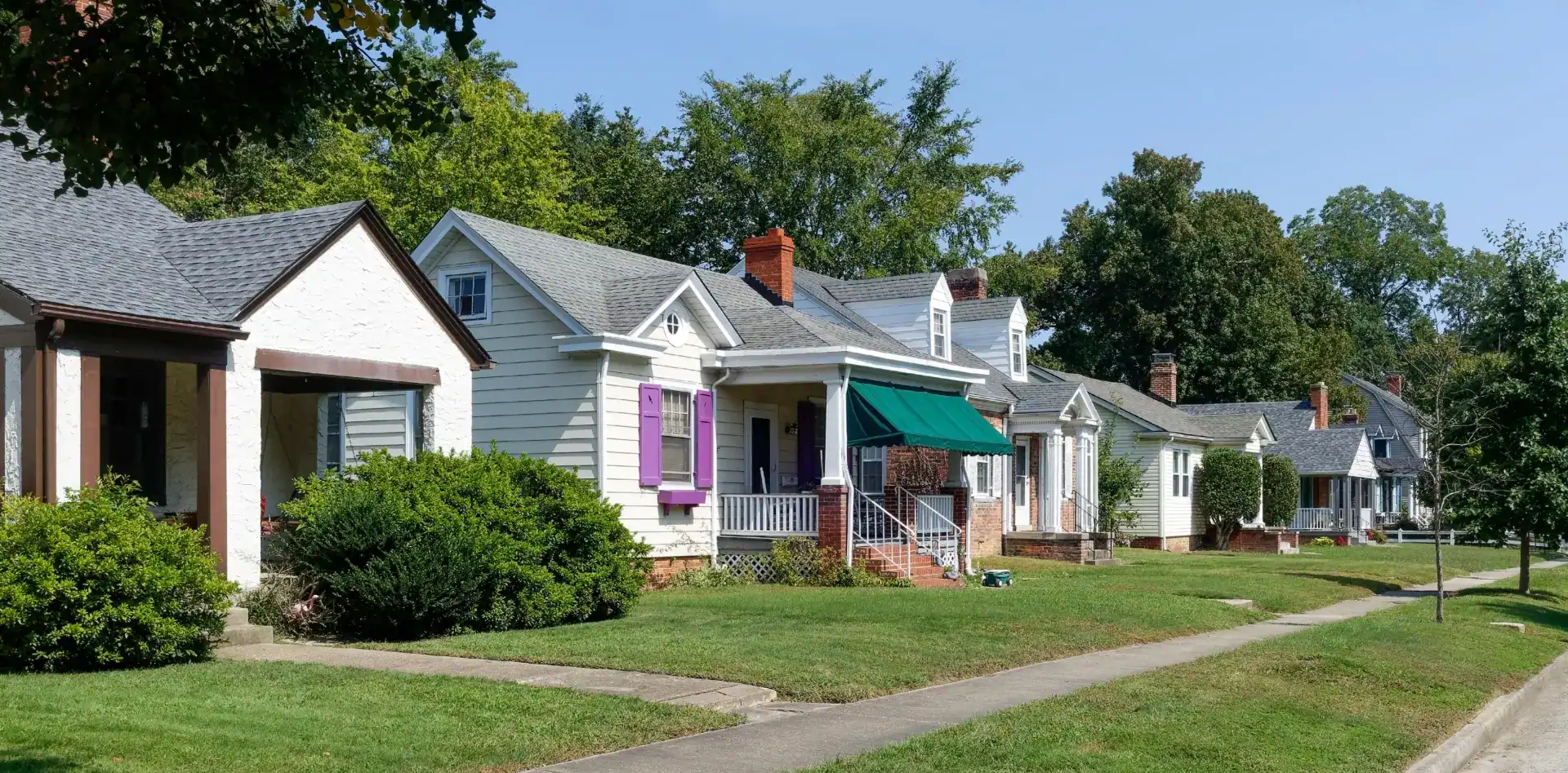
Older homes in Anchorage often have a charm that newer homes cannot copy.
They may have solid trim, built-in details, older woodwork, and character that has developed over many years. But when it is time to repaint, those same older surfaces may need more care than a newer home.
One of the biggest concerns is lead paint.
For homeowners searching for lead paint in Anchorage, AK, the main thing to understand is this: repainting an older home is not just about choosing the right color. It is also about knowing what may be underneath the current paint layers.
Lead-based paint was widely used in older homes before it was banned for residential use in 1978. Homes built before that year may still have lead-based paint under newer coatings, even if the top layer looks fresh and clean. When that paint is disturbed by sanding, scraping, drilling, or demolition, it can create hazardous dust and chips.
That does not mean every older home is unsafe.
It does mean repainting should be approached with care, especially if the home has peeling paint, worn window trim, damaged doors, old baseboards, or exterior paint that is cracking from Anchorage’s freeze-thaw cycles.
Campbell Painting understands that homeowners want their spaces to look better without creating new problems. Before repainting an older property, it helps to know the signs, risks, and smart steps involved.
Why Lead Paint Matters Before Repainting
Lead paint is not always easy to spot.
It can be hidden under several newer layers of latex or oil-based paint. A wall may look perfectly normal, while the original layer underneath contains lead. This is why age is often the first clue.
If your Anchorage home was built before 1978, lead-based paint may be present.
The risk increases when old painted surfaces are damaged. Chipping paint, peeling trim, cracked siding, and worn friction surfaces can release dust or chips. Doors, windows, stair rails, porch components, and baseboards are common areas where paint wears down faster.
Lead exposure is especially concerning for children and pregnant women. Federal guidance notes that deteriorated paint and renovation work in older homes can create lead dust that may be inhaled or ingested.
This is why repainting is not something to rush.
A normal paint project can become a safety issue if old coatings are disturbed without the right process. The goal is not to panic. The goal is to avoid turning a manageable old paint surface into airborne dust.
Why Anchorage Homes Need Extra Attention
Anchorage weather can be hard on paint.
Exterior coatings deal with moisture, snow, ice, cold temperatures, wind, and seasonal movement in building materials. Over time, paint may crack, blister, peel, or separate from the surface.
Older homes in areas like Downtown Anchorage, Government Hill, Midtown, and other established neighborhoods may have original painted woodwork or siding that has been coated many times over the years.
When exterior paint starts to fail, homeowners may think scraping and sanding are the fastest way to prepare the surface. But if the house is older, aggressive prep can be risky.
The same concern applies indoors.
Older windows that stick, doors that rub, painted cabinets, stair trim, and built-ins may have layers of old paint. When these areas are sanded or scraped, dust can spread quickly through nearby rooms.
That is why the phrase "lead paint Anchorage AK" matters to local homeowners. Anchorage’s older housing stock and harsh climate can make paint maintenance more than a cosmetic issue.
Homes Built Before 1978 Should Be Treated Differently
The year 1978 is important because residential lead-based paint was banned for consumer use in the United States. Older homes may still contain lead-based coatings under newer paint layers. If your home was built after 1978, the risk is generally lower.
If it was built before 1978, it is wise to assume lead may be present until testing or proper evaluation says otherwise.
This is especially important before projects such as repainting trim, refinishing doors, repairing exterior siding, repainting windows, painting built-ins, or preparing old walls with damaged coatings.
A fresh coat of paint can improve a home's appearance, but it's during the preparation stage that lead concerns usually arise. Paint does not become a major dust issue simply because it exists on the wall. Problems often happen when old layers are disturbed.
For older homes, careful planning matters just as much as the final color.
Signs Your Older Paint May Need Testing
Lead paint cannot be confirmed just by looking at it.
Still, there are warning signs that tell you to slow down before repainting.
Peeling paint is one of the most obvious signs. If paint is curling away from the surface, cracking in scales, or flaking near trim, it may need special handling before repainting.
Paint dust near windows can also be a warning sign. Older windows often create friction when opening and closing. If lead-based paint is present on those surfaces, friction can create fine dust.
Another concern is alligatoring. This is when old paint forms a cracked pattern resembling scales. It can happen with age and repeated coating layers.
Exterior siding with widespread paint failure should also be handled carefully. Scraping large sections of old paint without knowing what lies beneath can create a mess hard to contain.
If your home has any of these conditions, testing should be considered before surface prep begins.
Why DIY Sanding Can Be Risky
Many homeowners are comfortable doing small painting projects themselves.
But older paint changes the situation.
Sanding, grinding, dry scraping, and power washing can spread paint particles beyond the immediate work area. Inside a home, dust can accumulate in carpets, vents, furniture, and nearby rooms. Outside, chips can fall into soil, walkways, decks, and landscaping.
The danger is not only the visible paint chips.
Fine dust is often the bigger concern because it can settle on surfaces where children, pets, or adults may later come into contact with it.
Federal guidance warns that renovation, repair, and painting work in pre-1978 homes can create dangerous lead dust when lead-based paint is disturbed.This is why old paint prep should never be treated like ordinary prep unless the surface has been evaluated.
It is also why hiring a professional matters for older homes. A well-planned project focuses on beauty, durability, and safety simultaneously.
What Professional Painters Look For Before Repainting
Before repainting an older Anchorage home, Campbell Painting would consider the condition of the surface, the home's age, and the amount of prep work needed.
A stable painted surface may be handled differently from a badly peeling one.
For example, if older paint is intact and not being heavily disturbed, the project may focus on cleaning, bonding, priming, and repainting. If paint is failing badly, the project may require a safer preparation plan before new paint can be applied.
Important areas to review include window frames, door edges, trim, siding, porches, railings, soffits, fascia, and painted basement or garage surfaces.
Interior surfaces matter too.
Older painted cabinets, stair risers, built-ins, and baseboards can hold multiple generations of paint. Even if the wall paint is newer, the trim may be much older.
A professional approach helps identify where extra caution may be needed before work begins.
When Testing May Be Needed
Testing is the only way to know whether a painted surface contains lead.
A homeowner may choose to test before repainting if the home is older, the paint is deteriorating, or the project will require sanding, scraping, or repairs.
Testing can be especially helpful before major interior repainting, exterior repainting on an older home, nursery or child bedroom updates, rental property work, and projects involving old windows or doors.
It can also be helpful when buying or preparing to sell an older property.
Lead concerns do not automatically mean that repainting cannot happen. They simply mean the project needs the right plan.
If testing shows lead is present, the next step is not guesswork. The surface should be managed in accordance with lead-safe practices and any applicable rules.
Understanding Lead-Safe Work Practices
Lead-safe work practices are designed to reduce dust, contain debris, protect occupants, and properly clean the work area.
These practices may include isolating the work zone, protecting floors and nearby surfaces, avoiding unsafe dust-generating methods, following proper cleanup procedures, and handling waste carefully.
For paid renovation, repair, and painting work in pre-1978 homes and child-occupied facilities, the EPA Renovation, Repair, and Painting Rule applies when painted surfaces are disturbed. The rule requires lead-safe practices for covered work.
This is one reason homeowners should be careful about who they hire.
A contractor working on an older home should understand that lead paint is not only a painting issue. It is also a safety and compliance issue.
Campbell Painting can help homeowners think through repainting needs in a way that respects the home's age and condition.
For homeowners planning residential painting in Anchorage, it is smart to bring up the home’s age early in the conversation.
What Not To Do With Suspected Lead Paint
If you suspect lead paint, do not start by dry sanding large areas.
Do not use open-flame burning to remove paint. Do not grind old coatings without controls. Do not let paint chips fall freely into soil, carpets, or vents.
Do not assume that painting over a damaged surface solves the issue.
Paint can seal and refresh a stable surface, but it should not be used as a shortcut over active peeling, crumbling, or contaminated dust. The surface has to be assessed first.
Do not let children play near peeling exterior paint or paint chips.
Do not sweep suspected lead dust with a dry broom. That can send fine particles into the air and spread them farther.
The safest choice is to pause the project and get proper guidance before disturbing the surface.
Can You Paint Over Lead Paint?
In some cases, intact, non-peeling lead-based paint may be painted over.
The key is the condition.
If the existing coating is sound, clean, and firmly attached, repainting may be part of a safe maintenance plan. But if the paint is peeling, cracking, flaking, or rubbing off, simply adding a new coat is not enough.
The new paint needs a stable surface underneath.
Paint failure underneath can cause the new coating to fail too. Worse, careless prep work can spread dust before the new paint is even applied.
This is why older homes need a careful surface review before repainting begins.
A good repainting plan balances appearance, adhesion, safety, and long-term performance.
Interior Lead Paint Concerns
Interior lead paint concerns often show up around trim.
Baseboards, window sashes, door casings, stair parts, and built-ins are common areas where old paint may remain. These surfaces often receive more wear than walls.
Windows are especially important.
Older painted windows can create dust from repeated opening and closing. If there is peeling paint on the sill or frame, that area should be addressed before repainting.
Interior repainting can also disturb old surfaces during patching, sanding, or repair.
Even small projects can create dust if the wrong preparation method is used. This matters in bedrooms, nurseries, kitchens, and family rooms where people spend a lot of time.
If you are repainting an older interior, ask about the safest way to prepare the surface before choosing paint colors.
Exterior Lead Paint Concerns
Exterior lead paint can be affected by Anchorage weather.
Snow, moisture, sun exposure, and seasonal temperature swings can weaken older coatings. Once paint begins to peel, exposed wood may absorb moisture, leading to more coating failure.
Exterior repainting often requires more prep than interior repainting.
That prep can include washing, scraping, sanding, caulking, priming, and spot repairs. In an older home, each of those steps should be carefully planned if lead may be present.
Paint chips outside can also settle into soil near the foundation, garden beds, walkways, and play areas.
This is why containment matters. The work area should be managed to prevent debris from scattering across the property.
A clean jobsite is always important, but it becomes even more important when older coatings may contain lead.
Lead Paint and Anchorage Rental Properties
Lead paint can also be a concern for rental properties.
Owners of older rental homes or multi-unit buildings should be careful before repainting between tenants. A quick-turnover paint job may seem simple, but sanding old trim or scraping peeling paint can create a bigger problem.
The same concern applies to common areas.
Hallways, stairwells, laundry rooms, entry doors, and exterior railings may have older paint layers. These areas often receive heavy use, which can wear down coatings over time.
Owners should also be aware that older housing may have disclosure and safety obligations depending on the property and situation.
For repainting, the safest path is to evaluate the surfaces before work begins and avoid any prep method that creates uncontrolled dust.
Why Lead Paint Is Not Just an Interior Issue
Many people think of lead paint as a problem only inside old homes.
But exterior paint can also contain lead.
In Anchorage, exterior coatings are exposed to harsh weather, and older paint can eventually crack, peel, and fall away from siding or trim. Once chips reach the ground, they can mix with soil near the home.
Exterior prep can also spread dust if the wrong methods are used.
Power washing, uncontrolled scraping, or sanding can move debris across the property. This can affect decks, patios, landscaping, and nearby entry areas.
A professional repainting plan should protect both the home and the surrounding property.
That is especially important for families with children, pets, or garden areas close to the house.
Safe Disposal Matters Too
Paint debris from older homes should not be treated casually.
Alaska guidance notes that lead-based paint was commonly used in residential, commercial, and institutional buildings until 1978, and disposal of lead-based paint waste should be handled with care.
This is another reason proper planning matters before the project begins.
A repainting project is not only about what happens on the wall. It also includes how chips, dust, plastic coverings, and other waste are contained and removed.
Homeowners should avoid letting paint debris spread into regular living spaces or outdoor areas.
A clean finish starts with a clean process.
How Campbell Painting Helps Homeowners Plan Ahead
Campbell Painting helps homeowners look at the full picture before repainting.
That includes the age of the home, the condition of the painted surfaces, the amount of prep required, and the best way to create a fresh result without unnecessary risk.
Older homes deserve careful attention.
They may need more prep, better primer choices, improved caulking, moisture control, or surface repairs before paint is applied. When lead paint is a possibility, the process should be handled with even greater care.
The goal is to protect the home’s character while improving its appearance.
A thoughtful repaint can make an older Anchorage home feel cleaner, brighter, and better cared for. But the work should begin with smart questions, not just color samples.
Questions To Ask Before Repainting an Older Anchorage Home
Before starting your project, ask yourself when the home was built.
If it was built before 1978, lead paint may be present.
Next, look at the condition of the painted surfaces. Are there chips, cracks, flakes, or worn spots? Are windows or doors rubbing against painted areas? Is exterior paint falling into soil or onto walkways?
Then consider the project's scope.
A small touch-up may carry less risk than a full exterior repaint with scraping and sanding. But even a smaller job can create dust if it involves old trim or damaged paint.
Finally, talk with a painting professional before prep begins.
The earlier you raise the concern, the easier it is to plan the right approach.
Why Proper Prep Still Matters
Lead concerns should not lead homeowners to ignore paint failure.
Damaged paint still needs attention. Peeling exterior paint can allow moisture into wood. Cracked trim paint can make a room look neglected. Worn coatings can shorten the life of the surface underneath.
The answer is not to avoid repainting.
The answer is to repaint with the right preparation plan.
For older homes, that may mean reducing dust, containing the work area, choosing the right primer, repairing damaged surfaces, and applying coatings that meet the home's needs.
Good prep improves the final look and helps the paint last longer.
Safe prep helps protect the people living in the home.
Choosing Paint for an Older Anchorage Home
Once lead concerns and surface conditions are addressed, paint selection becomes the next major step.
Older homes often need coatings that work well with existing materials. Wood trim, older siding, plaster walls, and previously painted surfaces may all require different products.
For interiors, durability and washability may matter most in high-use rooms.
For exteriors, Anchorage weather makes adhesion, flexibility, and moisture resistance important. A coating that performs well in local conditions can help protect the home longer.
Color matters too.
Older homes can look beautiful with updated neutrals, soft historic-inspired shades, broad trim accents, or fresh exterior palettes that respect the structure’s style.
But no paint color can make up for unsafe or rushed prep.
The best results come from pairing the right product with the right process.
When To Call a Professional
You should call a professional if your home was built before 1978 and the paint is peeling, cracking, or flaking.
You should also call if the project involves sanding old trim, repainting windows, scraping exterior siding, repairing painted surfaces, or working in rooms used by children.
Professional help is also wise if you are unsure how old the existing paint layers are.
A repainting project can quickly become more involved than expected once prep begins. Having the right guidance early can prevent dust problems, poor adhesion, and wasted time.
Campbell Painting can help Anchorage homeowners plan repainting projects with the care older homes deserve.
Lead paint is a serious topic, but it does not have to stop you from improving your home.
The key is knowing when to slow down.
If your home was built before 1978, or if old paint is peeling and damaged, do not treat the project like a simple weekend repaint. Ask the right questions, avoid dust-heavy prep, and work with professionals who understand older painted surfaces.
For homeowners researching lead paint Anchorage AK, the most important step is awareness.
Once you understand the possible risk, you can make better choices about testing, preparation, containment, and repainting.
A safer project can still lead to a beautiful finish.
With the right plan, your older Anchorage home can keep its character while gaining a cleaner, fresher, longer-lasting look.
FAQs
Is lead paint common in older Anchorage homes?
Lead paint may be present in Anchorage homes built before 1978, especially on older trim, windows, doors, siding, and previously painted woodwork. The only way to confirm whether a surface contains lead is through proper testing.
Can I repaint over lead paint in my Anchorage home?
In some cases, intact lead-based paint may be painted over, but damaged, peeling, or flaking paint needs careful handling first. The surface must be stable before repainting, and unsafe sanding or scraping should be avoided.
What should I do if my older paint is peeling?
Do not dry sand or scrape it aggressively. Peeling paint in a pre-1978 home should be evaluated before prep begins, especially if children, pets, or pregnant women live there.
Is exterior lead paint a concern in Anchorage?
Yes. Exterior lead paint can chip, peel, and fall into soil or onto walkways. Anchorage weather can speed up coating failure, so older exterior paint should be handled carefully before repainting.
Who should I call about repainting an older Anchorage home?
Call Campbell Painting if you are planning to repaint an older home and want the project handled with care. A professional review can help determine the right prep plan before new paint is applied.
Ben CampbellBen Campbell is the proud owner of Campbell Painting LLC, a successful painting company based in Anchorage, Alaska. As a third-generation member of the painting industry, Ben has a deep-seated passion for his profession that started with his grandfather, who came to Alaska to sell paint. Born and bred in Alaska, Ben's connection to his community is genuine and strong. Since 2006, he has been providing top-quality painting services, enhancing the beauty of Anchorage one building at a time. He also studied at Santa Barbara City College, solidifying his industry knowledge. Ben's journey, including overcoming adversity, is a testament to his resilience and commitment to his craft, which is reflected in the success and reputation of Campbell Painting LLC.