


Practical Residential Interior Painting Tips for Anchorage Homes
Interior Painting, Painting
A fresh coat of interior paint can change the entire feel of a home. Rooms look cleaner. Natural light feels brighter. Worn surfaces look more cared for. Even a simple color update can make familiar spaces feel new again.
That is one reason residential interior painting remains one of the most effective ways to improve a home's look without changing its layout. Campbell Painting’s residential interior service page highlights work on walls, ceilings, doors, baseboards, and cabinets, while its Anchorage blog regularly publishes room-focused painting tips for homeowners.
For Anchorage homeowners, interior painting is not only about choosing a nice color. It is also about planning around daily life, room use, surface condition, lighting, and how each painted area will hold up over time. Campbell Painting’s residential pages and Anchorage interior articles consistently emphasize preparation, color choice, and room-by-room planning as key to achieving a strong result.
If you are getting ready to repaint part of your home, these tips will help you plan a better project from the start.
Start With the Way the Room Is Used
Before picking a color, think about what the room needs to do every day.
A bedroom, home office, hallway, bathroom, and living room do not serve the same purpose. Because of that, they should not always be painted the same way. A calm bedroom may benefit from softer tones. A busy hallway may need a finish that is easier to clean. A home office may need a color that feels bright enough to support focus without feeling harsh.
This kind of planning matters because the best residential interior painting decisions are driven by function first.
Ask a few simple questions.
Who uses the room most?
How much traffic does it get?
Does it need to feel restful, bright, warm, open, or grounded?
Does it collect scuffs easily?
When you answer those questions early, it becomes easier to choose colors, sheen levels, and prep needs that actually fit the space.
Pay Attention to the Anchorage Light Inside the Home
Light affects paint more than many homeowners expect.
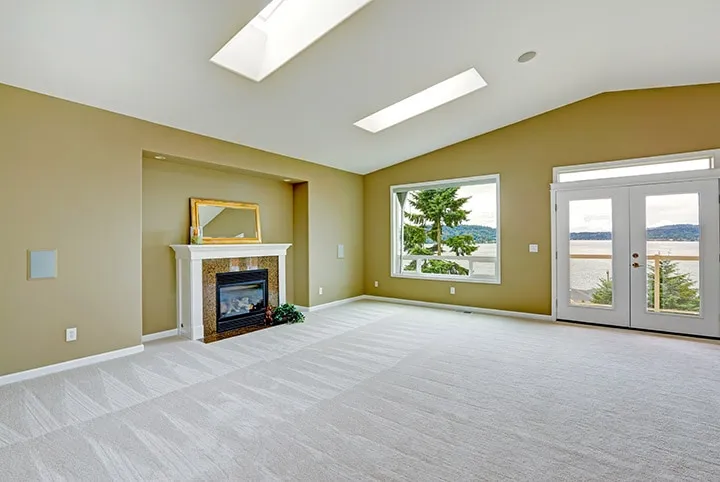
A color that looks balanced in one room can look cooler, darker, or flatter in another. North-facing rooms can feel different from rooms that get long afternoon light. A room with limited daylight may need a different approach than a bright, open area with large windows.
That is why sample testing matters.
Look at the paint sample at different times of day.
Check it in sunlight, under lamps, and in the corners of the room.
Stand near doorways and look at it from across the room, not only up close.
Campbell Painting’s interior painting service page says choosing the right paint color can be difficult. That preparation plays a major role in a successful result, which fits with the need to test colors before moving ahead.
For Anchorage homes, light can shift the feeling of a room across the year, so a test patch is one of the smartest steps you can take before committing to a full repaint.
Pick Colors That Fit the Home, Not Just Trends
It is easy to get pulled toward popular shades, but trends alone should not decide your color plan.
A better approach is to choose colors that work with the home’s floors, cabinets, trim, furniture, and natural light. A shade that looks great online may not feel right next to your wood tones, counters, or fixed finishes.
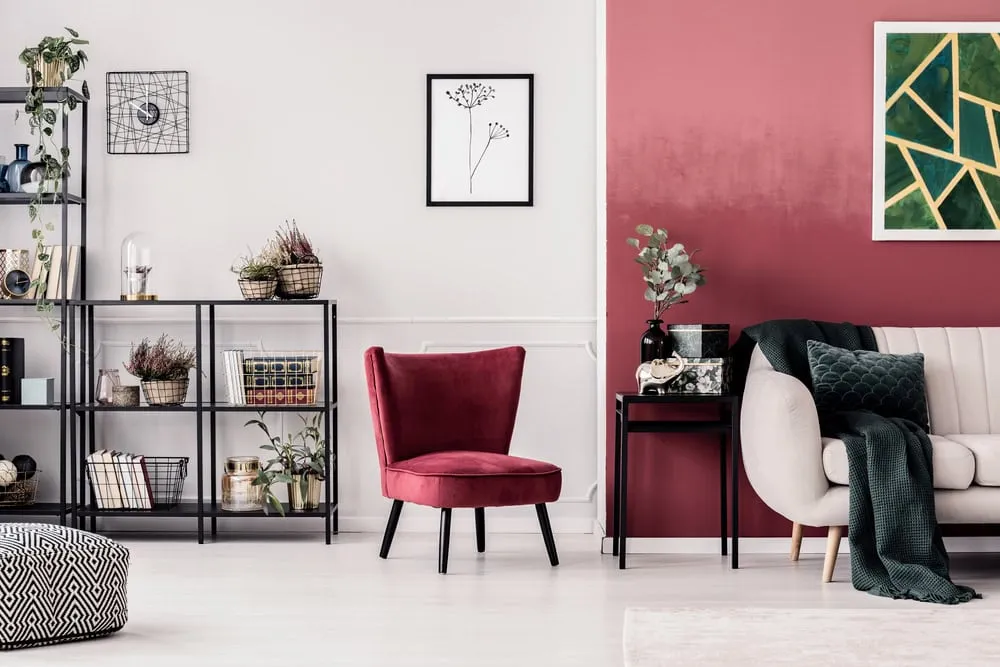
Neutral colors remain useful because they are flexible and easy to build around. Soft, warm shades can make a space feel more welcoming. Crisp light tones can help smaller rooms feel more open. Broader accents can add contrast in the right places without overwhelming the room.
The goal is not to make every room look the same.
The goal is to make the home feel connected.
Campbell Painting’s service pages and interior content emphasize helping homeowners select colors and improve the look of interior spaces, which supports a more thoughtful approach rather than rushing into the first color that stands out.
Do Not Skip Surface Prep
One of the most useful residential interior painting tips is also one of the most important.
Do not rush the prep work.
Fresh paint does not hide every flaw. In many cases, it makes dents, rough patches, peeling spots, and old repairs more noticeable. If the walls are dirty, glossy, or uneven, the finish can still suffer, even with a good color choice.
Good prep may include:
- cleaning smudges and residue
- filling nail holes and dents
- smoothing rough repairs
- checking trim for damage
- reviewing peeling or cracking areas
- making sure surfaces are ready for paint
Campbell Painting’s residential interior service page explicitly states that preparation is key to a successful interior paint job, and its interior service articles also emphasize preparing surfaces before painting begins.
A smooth result usually starts long before the first coat is applied.
Match the Finish to the Room
Paint color gets most of the attention, but finish matters just as much.
The sheen you choose can affect how a room looks, how easy it is to clean, and how well the surface handles everyday wear. A lower-sheen finish may soften wall flaws, while a slightly more washable finish can make more sense in busier parts of the home.
Think about where marks show up most.
Hallways, kids’ rooms, entry paths, mudroom-adjacent walls, and stair areas often take more contact than formal rooms or guest spaces.
Trim, baseboards, and doors often need a different finish than walls because they are more frequently touched and scuffed.
Campbell Painting’s interior service page specifically calls out doors and baseboards as surfaces that are easily scuffed and scratched, which is a good reminder that finish choices should match how each area is used.
Plan the Project Around Daily Life
Interior painting goes more smoothly when it fits the home's routine.
That matters whether you are painting one room or several. Bedrooms, kitchens, home offices, and shared living areas all affect how the household functions. If the project is not planned around real use, even a simple repaint can start to feel disruptive.
Think through the order before the work starts.
Which rooms can be completed first?
Which rooms need to stay in use?
What furniture needs to be moved?
Are there kids, pets, or work-from-home needs to plan around?
Should the project be done in phases?
Campbell Painting’s residential service offerings cover many interior areas, from walls and trim to cabinets and larger room updates, which supports a phased approach when homeowners want to repaint several parts of the home without taking everything offline at once.
A simple plan can make the whole project feel more manageable.
Give Extra Attention to High-Traffic Areas
Some rooms stay looking fresh longer than others.
High-traffic spaces usually show wear first. Hallways, stairwells, entry areas, mudroom routes, family rooms, and children’s spaces often accumulate fingerprints, scuffs, bumps, and wall marks more quickly than low-use rooms.
That is why these areas should be treated with extra attention.
Look at corners.
Check around light switches.
Review door frames and lower wall sections.
Notice where furniture rubs the wall or where people brush past every day.
These are the areas where careful prep and smart finish selection can make a real difference.
Campbell Painting’s service page highlights scuff-prone surfaces like doors and baseboards, and its Anchorage room-specific blog posts repeatedly focus on practical preparation and room function, which aligns with paying closer attention to busy parts of the home.
Keep the Color Flow Consistent From Room to Room
A home usually feels better when the painted spaces connect visually.
That does not mean every wall should be the same shade. It means the colors should make sense together as you move through the house. A home with strong color jumps from room to room can feel choppy, even when each room looks fine on its own.
A more balanced approach is to use a core group of tones that relate to one another.
That could mean:
- one main wall color throughout the common areas
- a trim color that stays consistent
- softer variations in bedrooms
- a slightly different tone in bathrooms or offices
- small accent areas where more contrast makes sense
Campbell Painting’s Anchorage interior pages are built around improving how rooms look and feel within the full home, supporting treating color choices as a connected plan rather than a random series of separate decisions.
Do Not Forget the Ceiling
When homeowners think about interior painting, the focus usually goes straight to the walls.
But the ceiling plays a huge role in how finished the room feels.
A ceiling that looks dingy, patchy, or yellowed can make the whole room seem older, even when the walls have been updated. In some homes, repainting the ceiling can brighten the room almost as much as repainting the walls.
Ceilings also deserve attention in areas where cooking, moisture, or general wear affects the surface over time.
Campbell Painting’s residential interior service page specifically includes ceilings among its interior painting services, which is a useful reminder that a stronger room refresh often includes more than just the wall color.
Refresh Doors, Baseboards, and Trim for a Better Finished Look
A room rarely looks fully updated if the walls are fresh, but the trim still looks worn.
Doors, baseboards, window trim, and frames can hold onto years of scuffs, nicks, and scratches. Once the walls are repainted, those details can stand out even more.
That is why trim should be part of the painting plan whenever it needs attention.
Fresh trim lines make a room look sharper.
Clean doors help the entire space feel better maintained.
Updated baseboards help tie the room together.
Campbell Painting’s residential interior page specifically highlights doors and baseboards as surfaces that wear down easily and can be restored through interior painting work. (Campbell Painting LLC)
Consider Cabinets Where They Affect the Whole Room
In some homes, cabinets have just as much visual impact as the walls.
This is especially true in kitchens, bathrooms, laundry areas, and built-in storage spaces. If the wall color is refreshed but the cabinets still look heavy, worn, or dated, the room may not feel as updated as you hoped.
That does not mean every project needs cabinet work.
It means the cabinets should be reviewed as part of the room's overall look.
Campbell Painting’s interior service page says its residential interior work includes cabinets and notes steps such as cleaning, deglossing, sanding, priming, and repainting, which shows how important cabinets can be in a full room update.
When cabinets take up a lot of visual space, ignoring them can leave the room feeling only halfway refreshed.
Use Interior Paint to Make Small Rooms Feel Better
Paint is one of the easiest ways to improve rooms that feel cramped, dark, or dated.
A smart color plan can make a small room feel more open. Cleaner trim can help the room feel more organized. A brighter ceiling can reflect more light. Even changing a heavy old color to a softer one can shift the mood of the room.
This is especially useful in smaller bedrooms, home offices, guest rooms, narrow hallways, and older layouts that need a visual reset.
Campbell Painting’s blog regularly publishes room-based painting guidance, including posts centered on home offices and basements, which supports the idea that interior painting choices should match the size, function, and feel of each room.
Think About the Best Time to Paint Inside
Interior painting is more flexible than exterior painting, but timing still matters.
Some homeowners prefer to repaint before guests arrive, before a move, before setting up a nursery, or before colder months when more time is spent indoors. Others prefer to do one room at a time over a longer stretch.
The best time often comes down to when the home can support the project with the least stress.
It also helps to schedule when rooms can be cleared and when household routines will be easier to adjust.
Campbell Painting’s site offers online estimates, interior pricing information, and Anchorage-based residential interior services, underscoring the value of planning the project rather than treating it as a last-minute task.
Keep the Home’s Style in Mind
Not every home in Anchorage looks the same, and the paint plan should reflect that.
A newer home with crisp trim lines may support a different color approach than an older home with warmer wood details. Open layouts often benefit from a connected palette. More traditional floor plans may allow room-by-room variation while still keeping the overall home balanced.
The point is to make paint choices that feel right for the house itself.
Campbell Painting serves a range of residential settings across Anchorage and publishes area-specific and home-focused service pages, which support adjusting the painting plan to the type of home and the way it is lived in.
Know the Signs It Is Time to Repaint
Sometimes the need for residential interior painting is obvious.
Other times, the signs build slowly.
Watch for:
- fading color
- wall marks that no longer clean off
- patchy touch-ups
- dents and nail holes
- peeling or cracking spots
- trim that looks worn
- rooms that feel darker or older than they should
Campbell Painting’s Anchorage blog includes interior posts about repainting signs in home offices and ways to improve worn spaces, which aligns with using visible wear as a signal that the room is ready for an update.
When several of these signs show up together, it is often time to start planning the project.
Do Not Let the Cheapest Choice Lead the Project
Trying to cut every corner often results in a weaker outcome.
A rushed project can leave behind visible repairs, uneven edges, poor room flow, or finishes that do not hold up the way you hoped. Interior painting works best when choices are based on the room, the surfaces, and the space's long-term use.
That includes:
- choosing colors with care
- prepping properly
- matching finish to traffic
- including trim where needed
- planning the project in a sensible order
Campbell Painting’s service pages repeatedly frame residential painting as a quality-focused service built around preparation, color help, and stronger finished results, which supports taking a more thoughtful path rather than making the fastest possible choice.
Residential Interior Painting in Anchorage
A successful residential interior painting project does more than cover the old color. It helps rooms feel cleaner, brighter, and more in line with how your home is used every day.
The best results usually come from slowing down at the start.
Think about the purpose of each room.
Test colors in real lighting.
Handle the prep the right way.
Choose finishes that fit the amount of wear.
Include ceilings, trim, doors, or cabinets when they affect the overall look.
Campbell Painting’s residential interior service page and Anchorage blog content consistently support this kind of room-by-room, prep-first approach to interior painting.
For Anchorage homeowners, a better painting plan can make everyday spaces feel more polished without changing the whole house.
If your rooms are starting to feel worn, dated, or harder to maintain, interior painting is often one of the clearest ways to refresh the home.
FAQs
1. How often should residential interior painting be done?
It depends on the room and how much use it gets. High-traffic areas like hallways, kids’ rooms, and entryways often need repainting sooner than guest rooms or lower-use areas.
2. What is the best finish for residential interior painting?
The best finish depends on the room. Walls in lower-traffic spaces may need a different finish than trim, doors, or areas that are cleaned often.
3. Should ceilings be painted during an interior painting project?
In many cases, yes. If the ceiling looks stained, dull, or older than the walls, repainting it can help the whole room look more complete.
4. Why is prep so important in residential interior painting?
Prep helps create a smoother final result. Cleaning, patching, and correcting surface flaws before painting can make a major difference in how the finish looks.
5. Can residential interior painting be done one room at a time?
Yes. Many homeowners paint in phases, so the home stays easier to manage during the project. This can work especially well for occupied homes with busy daily routines.
Ben CampbellBen Campbell is the proud owner of Campbell Painting LLC, a successful painting company based in Anchorage, Alaska. As a third-generation member of the painting industry, Ben has a deep-seated passion for his profession that started with his grandfather, who came to Alaska to sell paint. Born and bred in Alaska, Ben's connection to his community is genuine and strong. Since 2006, he has been providing top-quality painting services, enhancing the beauty of Anchorage one building at a time. He also studied at Santa Barbara City College, solidifying his industry knowledge. Ben's journey, including overcoming adversity, is a testament to his resilience and commitment to his craft, which is reflected in the success and reputation of Campbell Painting LLC.