Anchorage Painting Companies: Stairwell & Railings—Durable Finishes That Don’t Yellow
Interior Painting, Painting
You want stairwells and railings that withstand salt, abrasion, and traffic without discoloring, so prioritize non-yellowing waterborne acrylics or polyurethane/epoxy topcoats and meticulous surface preparation and application. In Anchorage conditions, factors like UV exposure, hand oils, and scuffs accelerate yellowing and wear, so choose coatings with proven gloss retention and ask contractors for warranties and maintenance plans to keep your finishes durable and color-stable.
Most stairwells and railings in Anchorage are exposed to moisture, salt air, and cold cycles, so you need coatings formulated to resist yellowing and abrasion. When you choose finishes with UV-stable resins and high-quality primers, you reduce safety hazards from flaking or slippery buildup and lower maintenance. Trusting experienced applicators ensures long-lasting durability, keeping your railings looking and performing their best.
Key Takeaways:
- Choose non-yellowing formulations (waterborne alkyds, 100% acrylics, or UV-stable clears) instead of traditional oil-based paints for stairwells and railings to preserve color and brightness.
- Proper surface preparation and application—cleaning, rust treatment, priming, correct film thickness, and professional spray or brush techniques—greatly extend finish durability and resist yellowing.
- Topcoats with UV inhibitors, regular maintenance/touch-ups, and contractor warranties protect finishes from UV degradation and everyday wear in Anchorage conditions.
Key Takeaways:
- Specify non-yellowing formulations—high-quality waterborne acrylic enamels or modern alkyds with UV-stable resins—for durable stairwell and railing finishes.
- Proper surface preparation and rust-inhibiting primers (for metal) plus professional application maximize adhesion and prevent chipping, peeling, and discoloration.
- Pick low-VOC, cold-weather–rated coatings suited to Anchorage conditions and use anti-slip topcoats on treads; plan periodic inspections and touch-ups.
Understanding the Importance of Stairwell and Railing Finishes
Aesthetic Appeal and Design Integration
You'll want finishes that tie into lobby palettes and wayfinding—matching RAL or Sherwin‑Williams color codes makes coordination simple. Choose satin or semi‑gloss on railings to reflect light without glare, and use matte on walls to hide scuffs. In mixed‑use buildings, contrasting rail colors for ADA routes and egress stairs help users navigate intuitively while preserving an upscale look in common areas.
Safety Considerations: Visibility and Durability
Poor contrast and glossy, worn surfaces increase trip-and-slip risk, so prioritize high‑contrast nosing and non‑slip topcoats. Follow code heights for handrails (IBC: 34–38 inches) and specify finishes that resist chipping under frequent contact. You should treat railings and nosings as safety elements first, design elements second.
For practical measures, apply a contrasting nosing strip at least 2 inches wide on every tread and use textured or grit‑additive topcoats in stair zones. Select coatings tested for abrasion—powder coatings at 40–120 µm thickness resist chipping and rust better than thin liquid paints. Also consider UV‑stable water‑based topcoats on interior glazing‑adjacent stairs to prevent yellowing that can reduce contrast over time.
Maintenance and Long-term Care
You should expect high‑traffic stairwells to need touch‑ups every 2–5 years, while low‑use areas can go 7–10 years with proper coatings. Use water‑based polyurethanes or powder coating to minimize yellowing and VOCs; avoid oil‑based finishes on light walls and ceilings, as they amplify yellowing. Keep a touch‑up kit with exact color codes on site.
For cleaning, use pH‑neutral detergent and soft brushes—abrasive pads strip protective films. Implement a quarterly inspection log noting chips, rust spots, and loss of slip resistance; small repairs with matching touch‑up paint and reapplication of anti‑slip grit prevent large‑scale recoats. In one property management routine, proactive touch‑ups cut full repaint cycles by over half, saving labor and improving safety metrics.
Understanding the Importance of Stairwell and Railing Finishes
Aesthetic Appeal
You want finishes that maintain color and sheen over time; choosing non-yellowing waterborne alkyds or 100% acrylics preserves the original look and improves perceived cleanliness. Specify satin or semi-gloss sheens (roughly 15–45% sheen) on railings for easy cleaning and balanced reflection, and use contrasting trim to make edges pop—a small investment often increases tenant satisfaction and reduces repaint frequency.
Safety Considerations
You need finishes that reduce slip risk and improve visibility: add anti-slip aggregates or textured topcoats and ensure handrails meet standard heights (typically 34–38 inches) to minimize falls. Good contrast on nosings and railings helps visually impaired users and directly lowers slip-and-fall incidents, protecting occupants and lowering liability.
More specifically, you can target a static coefficient of friction (SCOF) of 0.6 or higher by specifying silica or polymer grit blends in the final coat; apply grit only to travel-path treads, keeping landings smoother for cleaning. Also, inspect finishes annually—high-traffic stairwells may need spot repairs or reapplication within 1–3 years, depending on wear, and use a non-yellowing topcoat to preserve contrast that would otherwise fade and create hazards.
Durability in High-Traffic Areas
You should select systems proven for abrasion resistance—commercial stairwells often see hundreds to thousands of footfalls daily—so specify high-solids acrylic enamels or two-component urethane topcoats that resist scuffing and black heel marks. Look for products with Taber abrasion losses in the lower range and factory data showing multi-year performance under heavy use.
For best results, apply to the manufacturer’s recommended dry film thickness (typically 2–3 mils per coat, totaling 4–6 mils), use proper surface prep (SSPC-SP or equivalent), and account for Anchorage temperatures—choose coatings rated to cure at lower temps or schedule work during milder months. Proper film build, adhesion tests (cross-hatch or pull-off), and a protective urethane finish will extend service life and reduce lifecycle costs.
Types of Finishes for Stairwells and Railings
100% Acrylic Paint
You get fast dry times (recoat in 2–4 hours), excellent color retention, and non-yellowing performance for interior stairwells with moderate traffic.
Waterborne Alkyd
Offers oil-like leveling with water cleanup, durable film, and lower VOCs (often <50 g/L); ideal where you want enamel toughness without the yellowing of traditional oil.
Oil-based Enamel
Provides hard, wear-resistant finishes but typically has higher VOCs (>250 g/L) and a tendency to yellow over months in low-light stairwells.
Water-based Polyurethane / Clear
Clear coats that resist abrasion and stay clear: dry fast (1–3 hours), low odor, and maintain gloss without ambering—good for metal handrails and wood treads.
Anti-slip / Weather-resistant Coatings
Textured or aggregate-bearing systems (silica or aluminum oxide additives) improve COF; choose UV-stable binders for exterior railings to prevent chalking and breakdown.
- stairwells
- railings
- durable finishes
- non-yellowing
- anti-slip / weather-resistant
Paint vs. Stain: Key Differences
You choose paint when you need full-film protection, color uniformity, and easier cleaning; stains penetrate and show the wood grain while requiring periodic recoats. Paints typically offer higher abrasion resistance and are better for metal railings, whereas stains suit exposed wood where you want the grain visible; expect paint recoats every 7–15 years under heavy use, versus stain maintenance every 2–5 years, depending on exposure.
Water-based vs. Oil-based Finishes
Water-based finishes dry faster, emit lower VOCs (<50 g/L for many formulas), and resist yellowing, while oil-based finishes give very hard films but often have higher VOCs (>250 g/L) and are prone to ambering over time; choose based on traffic, ventilation, and long-term clarity needs.
In practice, you’ll see water-based clear coats recoat within 2–4 hours and reach full hardness in days, whereas oil-based systems can require 24–72 hours between coats and several weeks to fully cure; for commercial stairwells with heavy foot traffic, manufacturers often recommend waterborne alkyds or 100% acrylics for their balance of toughness and non-yellowing stability.
Specialty Finishes: Anti-slip and Weather-resistant Options
You can specify anti-slip by adding graded aggregates or by buying pre-textured paints; aim for a static CoF >0.6 in high-traffic areas, and pick UV-stable resins for exterior railings to avoid chalking and loss of adhesion over 3–5 years in sun-exposed Anchorage conditions.
For stair treads, choose grit sizes matched to traffic—coarse for industrial areas, medium for commercial, fine for residential—and pair them with a durable binder (polyurethane or epoxy with UV stabilizers) to ensure adhesion and chemical resistance; contractors often test samples to verify COF and appearance before full application.
The right choice depends on your traffic, exposure, and maintenance plan.
Common Types of Finishes for Stairwells and Railings
- Paint — opaque protection for walls and metal railings, easy color change.
- Stain + Clear Coat — shows wood grain and uses topcoats for wear resistance.
- Oil-Based Polyurethane — very durable but can yellow over time on light woods.
- Water-Based Polyurethane — dries clear, non-yellowing, lower VOCs, and faster recoat times.
- Epoxy / Specialty Coatings — industrial-grade wear layer for treads and metal, often paired with anti-slip additives.
Paint (Latex enamel)
Best for walls/metal; hides grain; expect 3–7 year touch-up cycles in high-traffic areas; low-VOC options available.
Stain + Clear Finish
Enhances wood character; use 2–3 coats of polyurethane on treads; recoat interval: ~5–10 years, depending on wear.
Oil-Based Polyurethane
Extremely durable, ambering (yellowing) risk on pale woods; dry 8–12 hours, full cure ~7 days; higher VOCs.
Water-Based Polyurethane
Clear, fast-drying (2–4 hours), low odor, recoat the same day; modern formulas match oil durability with minimal yellowing.
Epoxy / Powder Coat / Industrial
Use epoxy on treads for chemical and abrasion resistance; powder coat metals for permanent color; add grit for slip resistance.
Paint vs. Stain
You’ll choose paint when you want a uniform color and easy cleaning, while stain is better if you want to show wood grain and depth. Paint typically requires more frequent touch-ups on high-traffic railings, whereas stained surfaces paired with a clear topcoat can last longer with periodic recoating.
Oil-Based vs. Water-Based Finishes
You’ll find oil-based finishes offer exceptional hardness but tend to yellow and have higher VOCs, while water-based formulas dry faster, stay clear, and let you recoat the same day—ideal when you need minimal downtime.
In practice, you can use an oil-based poly for dark woods or steps where ambering is acceptable; choose water-based for light woods, white trim, or when you need quick turnarounds. Quantitatively, expect oil-based to reach recoat in 8–12 hours and full cure in about a week, whereas water-based often recoats in 2–4 hours and cures in 48–72 hours. Also weigh VOC limits: water-based options typically emit 30–50% fewer VOCs, improving air quality during application. For metal railings, a hybrid or conversion varnish can combine adhesion and clarity; contractors often recommend two topcoats, with sanding between coats, for maximum abrasion resistance.
Specialty Coatings
You’ll use specialty coatings—like epoxy, marine-grade polyurethane, or powder coat—when you need industrial wear resistance, chemical resistance, or colored metal finishes; anti-slip additives are common on treads to meet safety expectations.
For heavy-use stair treads, a two-part epoxy or an epoxy primer under a water-based poly provides exceptional abrasion resistance; in commercial settings, you’ll often see 20–30 mils total film thickness specified. Metal railings benefit from powder-coat finishes baked to 180–200°C for a lifelong color and corrosion barrier, while ceramic-enhanced polyurethanes add micro-hardness for scratch resistance. When slip resistance matters, add 20–60-mesh grit to the final coat for measurable gains in coefficient of friction. Perceiving how you use your stairs and the light exposure will guide your finish selection.
Factors to Consider When Choosing a Finish
- Environmental conditions (salt air, freeze-thaw, UV)
- Traffic levels and wear resistance
- Color, sheen, and anti-yellowing properties
- Maintenance, repairability, and VOCs
- Substrate compatibility for stairwell treads and railings
Environmental Conditions in Anchorage
You need finishes that resist salt-laden coastal air, wide temperature swings, and high humidity; these factors accelerate corrosion and promote yellowing in solvent-based paints. Choose systems with UV stabilizers and moisture-tolerant primers—waterborne aliphatic polyurethanes or epoxy primers paired with a non-yellowing topcoat perform well in Anchorage’s coastal climate. Durable finishes with corrosion inhibitors will protect metal railings longer.
Traffic Levels and Wear Resistance
You should match coating chemistry to expected foot traffic: residential stairwells tolerate waterborne urethanes, while commercial stairs need high-abrasion systems. Expect commercial stair treads to see hundreds of footfalls per day, so prioritize slip-resistant, high-build coats that resist scuffing and abrasion.
For heavy-use areas, select 100% solids epoxy or aliphatic polyurethane topcoats: epoxies bond to concrete and steel and provide excellent abrasion resistance, while aliphatic urethanes add UV stability and non-yellowing properties for painted railings. Specify anti-slip aggregates or ceramic microspheres for stair treads, and target film builds that deliver long-term wear—combining a durable primer with a 2–3-coat finish system is common in commercial projects.
Color and Sheen Options
You’ll balance aesthetics and maintenance: darker colors hide scuffs but show dust, light tones improve visibility on stairs. Sheen affects cleanability—matte hides imperfections, satin or semi-gloss cleans easier; for railings, mid- to high-sheen finishes resist staining and are simpler to wipe down. Prioritize non-yellowing formulations for whites and pastels.
When dicking out pigment and sheen, choose UV-stable pigments and an aliphatic polyurethane or waterborne urethane topcoat to preserve color over time; pair a low-sheen, textured tread surface for slip control with a satin railing finish for easy maintenance. Test samples under your stairwell lighting—snow-reflective daylight in Anchorage can dramatically alter perceived color and sheen. Knowing how Anchorage Painting Companies weigh environmental exposure, traffic, and sheen will help you choose durable finishes for your stairwell and railings that don’t yellow.
Key Factors Affecting Finish Durability
- Environmental Exposure (UV, moisture, salt air)
- Material Quality (resin type, pigment load, solids)
- Application Technique (prep, film build, cure)
- Substrate Preparation (cleaning, priming, etching)
- Traffic & Abrasion (footwear, handrails, impact)
- Maintenance (cleaning schedule, touch-ups)
Environmental Influences
You must account for Anchorage's extreme cycles: long summer daylight (up to ~22 hours) increases UV exposure, which accelerates yellowing, while winter lows and salt-laden coastal air raise the risk of corrosion on metal railings. Indoors, stairwells typically get less UV but more abrasion and moisture from building ventilation; plan coatings rated for both high UV and volatile humidity to avoid premature failure.
Quality of Materials
Choose finishes with high solids and stable resins—100% acrylics, modern waterborne alkyds, or UV-stable clears—to minimize yellowing and maintain gloss. Aim for a recommended dry film thickness (DFT) of about 2–4 mils per topcoat, with total build tailored to traffic: light-duty 4–6 mils, heavy-duty 8–12 mils.
Beyond type, check pigment volume concentration and crosslinking chemistry: higher pigment load and crosslinkers improve color retention and chemical resistance. At the same time, low-VOC formulas may require specific catalysts or longer cure times. For metal railings, use an epoxy or zinc-rich primer under a UV-stable topcoat; on wood stair treads, prefer a high-solids acrylic urethane for abrasion resistance and non-yellowing clarity.
Application Techniques
Surface prep determines longevity: remove rust, oil, and old failing coatings, then use the correct primer (self-etching for bare steel, epoxy for porous surfaces). Apply consistent film build, respect manufacturer recoat windows, and avoid painting below 50°F or above 85% RH to prevent blush and adhesion failures.
Spray application, followed by back-rolling, often yields the most uniform film on balusters and spindles; for handrails, a skilled brush finish can reduce runs and ensure even coverage. Allow full cure—typically 24–72 hours to handle light traffic and up to a week for full chemical resistance—and test a mock-up in the actual stairwell conditions before committing to the entire scope.
After you weigh these factors against your building's use and local conditions, you can select and specify finishes that resist yellowing and withstand the unique stresses on Anchorage stairwells and railings.
The Risks of Yellowing in Finishes
Causes of Yellowing in Paint and Stain
You'll see yellowing when alkyd or oil-based binders oxidize and the resin matrix darkens, especially under heat or near lighting; oil-based varnishes can show visible ambering in 6–12 months in high-traffic stairwells. Low-quality hardeners, certain phenolic additives, and solvent residues also accelerate the shift, while modern waterborne systems resist this chemistry and keep whites and greys truer for years.
Comparison of Yellowing Resistance Among Brands
You can expect wide variation: high-end waterborne polyurethanes and modern waterborne alkyds resist yellowing far better than traditional oil-based polyurethanes; some waterborne systems retain neutral tones for 5–10 years, while inexpensive oil-based finishes may yellow within a year in humid or heated spaces.
Yellowing Resistance by Brand Type
Product / Brand
Yellowing Resistance / Notes
Benjamin Moore Advance (waterborne alkyd)
High resistance; maintains trim whites longer than oil-based alkyds.
Sherwin‑Williams waterborne polyurethane
Very good UV and ambering resistance for interior railings and stairs.
Minwax Oil‑Based Polyurethane
Prone to ambering within months in warm or poorly ventilated areas.
Generic store-brand oil or varnish
Variable; often contains additives that accelerate yellowing.
When you compare options, note that conversion varnishes and high‑end waterborne polyurethanes offer the best long-term neutrality, while traditional oil-based finishes provide warmth but tend to amber quickly; checking technical data sheets for accelerated yellowing tests (ASTM or manufacturer data) lets you quantify expected color shift before you commit.
Impact of UV Rays and Humidity
UV exposure from windows or skylights breaks down resins and pigments, causing photo-oxidative yellowing within 1–3 years on exposed railings. Humidity above ~60% speeds hydrolysis and fungal staining, deepening discoloration; you’ll notice faster yellowing where sun and moisture combine.
You should mitigate these forces by selecting finishes with UV absorbers and mildew-resistant formulations: UV stabilizers can extend aesthetic life by several years, while moisture‑cured polyurethanes or properly primed waterborne systems perform better in damp stairwells. For empirical comparison, look for manufacturer accelerated-weathering data (e.g., hours of UV exposure to Delta E thresholds) when specifying products for sunlit or humid interior zones.
Top Anchorage Painting Companies Specializing in Stairwell and Railing Finishes
Company Profiles
You’ll find Anchorage firms ranging from small specialty crews to contractors with 10–30 years of experience and portfolios showing 30–200 multi-unit stairwell projects; you should prioritize teams that provide written estimates, 5-year warranties, and lead-safe certification for older buildings, plus documented crew certifications and insurance limits that match your building size.
Services Offered
Expect full-scope offerings: surface prep (mechanical abrasion, chemical stripping), metal repair/welding, epoxy primers, topcoats such as waterborne alkyds or 100% acrylics, clear UV-stable finishes, powder coating, and anti-slip tread installation; note that abrasive blasting carries a lead-dust hazard and must be contained.
In practice, contractors follow industry standards (SSPC/ASTM) for prep and film build, often using two-coat systems—epoxy primer plus acrylic topcoat—for high-traffic rails; typical turnaround for a single stairwell flight is 1–3 days, while larger multi-floor jobs run 3–10 days with containment and staged access, and you should ask for manufacturer data sheets, adhesion test results, and recommended mil thickness to ensure the finish meets expected longevity.
Customer Reviews and Testimonials
You’ll see reviews emphasize durability, fast turnaround, and containment; many Anchorage contractors maintain local ratings above 4.0–4.5 stars, with property managers praising reduced touch-ups and clear communication—look for repeated mentions of no yellowing after 2–4 years as a positive sign.
When vetting testimonials, require before/after photos and at least three references from projects completed 2–5 years prior; contact building managers to confirm warranty claims and ask if the finish required touch-ups within the first year—if multiple reviewers report yellowing or chipping inside 12 months, treat that as a red flag and favor firms that document use of waterborne alkyds or 100% acrylic systems with proven field performance.
Top Anchorage Painting Companies for Stairwell & Railing Finishes
Company Profiles: Expertise and Services Offered
You’ll find contractors in Anchorage offering everything from small residential stair rehabs to full commercial rollouts; many are EPA RRP certified, advertise 20+ years of local experience, and specialize in waterborne alkyds, 100% acrylics, epoxy primers, and powder-coating touch-ups. Typical services include metal rail prep, anti-slip topcoats, color-matching, and 3–7 year warranties, with average crew turnarounds of 3–10 days for mid-size projects, so your building downtime stays minimal.
Customer Reviews and Testimonials
Local reviews often praise contractors for low-odor systems, fast cure times, and finishes that don’t yellow; you’ll see many projects rated above 4.5/5 on listing sites, with clients citing minimal touch-ups and strong adhesion on high-traffic railings. Pay attention to recurring notes on ventilation and cleanup to align with your building’s constraints.
For example, one Anchorage property manager reported that switching to a contractor using waterborne alkyds reduced recoat calls by 70–80% over two years; follow-ups showed railings retained color and gloss with no visible yellowing, and the vendor provided a detailed maintenance schedule you could adopt for consistent performance.
Trends in Local Painting Practices
You’ll notice a clear move toward non-yellowing formulations—waterborne alkyds, UV-stable clears, and high-build acrylics—plus wider use of anti-slip additives and industrial epoxies for stair treads. Contractors are offering longer warranties (typically 3–7 years) and specifying low-VOC primers to minimize occupant disruption and indoor air quality risks during painting.
One common local practice is pre-testing finishes in stairwell lighting and with cleaning agents before full application. When a condo association switched from solvent oil to UV-stable acrylics, recoat frequency dropped from roughly every 3 years to beyond 7 years, saving owners on long-term maintenance while keeping their railings visually consistent.
Best Practices for Maintaining Stairwell and Railing Finishes
Cleaning Tips
You should clean high-touch areas weekly and spot-clean spills immediately to protect the durable finish.
- Use a microfiber cloth for dusting
- Apply a diluted pH-neutral cleaner (about 1:20) for grime
- Avoid abrasive pads and ammonia-based products
Knowing how to dry surfaces after cleaning prevents water marks and helps the finish last longer.
Touch-Up Techniques
When addressing chips or scratches, first clean and degloss the area, then sand lightly with 220-grit, prime bare wood or metal, and apply the matched product in thin coats using a small brush or touch-up pen; water-based topcoats typically recoat in 2–4 hours, oil-based in 6–8 hours. Use color match and feathering to blend edges so touch-ups stay invisible.
You can improve results by creating a test panel: mix small batches to confirm sheen and color under the stairwell’s lighting, and track ambient conditions—ideally 50–75°F and humidity under 60%—for proper cure. For metal railings, use an epoxy primer, then two coats of urethane or enamel; for wood, use a bonding primer before the finish. Apply 1–2 thin coats, sanding very lightly between coats with 320–400 grit for a seamless repair.
When to Refinish
Plan refinishing when wear affects more than about 10–15% of the surface, gloss is uniformly lost, there’s flaking, or stains won’t lift; heavy-traffic stairwells often need full refinishing every 5–7 years, while lower-traffic areas can stretch to 8–10 years. Watch for rust or rot—these signal substrate work before cosmetic coatings.
Assess severity: if corrosion or rot covers more than 30% of a railing segment, strip to sound material and repair or replace affected parts before repainting. Test for lead-based paint on pre-1978 finishes and follow abatement rules if present. For best durability, prime appropriately (zinc-rich for bare steel, wood primer for oak/pine), allow recommended flash/rehab times between coats, and let the final finish cure 7 days before heavy use.
Maintenance Tips for Long-lasting Stairwell and Railing Finishes
- Anchorage Painting Companies
- Stairwell & Railings
- Durable Finishes
- Don’t Yellow
Regular Cleaning and Inspection
You should dust weekly and perform a wet wipe with a pH-neutral cleaner monthly, focusing on high-touch areas such as handrails and stair nosings. Use a flashlight to inspect the top 6 feet for peeling, loose balusters, or rusted fasteners—these are immediate safety concerns. For spot stains, blot within 15 minutes and avoid ammonia-based cleaners, as they can degrade durable finishes.
When to Repaint or Restain
Look for fading beyond 30%, widespread flaking, or water no longer beading on the surface; those signs indicate you should plan a refresh. High-traffic commercial stairways often need a new coat every 3–5 years, while low-traffic residential flights often last 5–7 years. Prioritize areas with visible wear or exposed wood for sooner intervention to maintain non-yellowing results.
When you prepare to repaint, start with 120–150 grit sanding to remove gloss, then finish with 220 grit before recoating to improve adhesion; perform a 3M tape adhesion test on a small area if unsure. Allow 24–48 hours between coats at 50–70°F and humidity below 60% for best curing; use water-based polyurethanes for indoor railings to avoid yellowing. For restaining, strip back to bare wood if more than 30% of the finish is compromised, and always follow the manufacturer's recoat windows to maintain warranty coverage.
Seasonal Care Techniques
Adjust maintenance by season: in winter, remove salt and grit daily and dry railings to prevent corrosion; in summer, check for UV fade and expand/contract gaps. Schedule a deep clean each spring and fall, and use mats at entry points to cut tracked-in abrasives. Small preventative steps reduce the need for early refinishing.
For wet months, store de-icing products off stairs and rinse any residue within 24 hours to limit chemical attack on metal and finish. In dry winter air, run a humidifier to keep indoor relative humidity around 35–45% to prevent wood shrinkage and joint loosening; during high-sun months, apply a UV-resistant clear coat every 2–3 years on sun-exposed railings. Use a mild soap solution (1 tsp dish soap per quart of water) with a microfiber cloth for quarterly deep cleans to protect the finish without introducing solvents that can cause yellowing.
Any major repairs should be handled by licensed Anchorage Painting Companies to ensure safety and preserve warranty coverage.
Innovations in Stairwell and Railing Finishing Products
Low-VOC and Eco-Friendly Options
You can specify low-VOC paints (commonly for occupied stairwells to cut indoor emissions and odor; waterborne alkyds and 100% acrylics now match oil-based durability while earning GREENGUARD or LEED points. Manufacturers report these mixes have lower solvent off-gassing by over 90% compared to traditional solvent systems, so your tenants experience faster re-occupancy and fewer IAQ complaints.
Advances in Color Retention Technologies
You should look for coatings fortified with HALS (hindered amine light stabilizers) and UV absorbers, plus inorganic or ceramic pigments that resist photodegradation; combined, these additives often extend visible color life by 2–3× in accelerated UV testing, helping railings and stairwell trim stay true under harsh lighting and seasonal sun exposure.
More specifically, formulations now pair amine-free curing chemistries (to prevent yellowing) with nano-dispersed pigments and self-crosslinking waterborne polyurethanes to boost gloss and color stability. For metal handrails, polyester powder coatings with 60–120 microns of film thickness and TGIC-free resins deliver long-term fade warranties (commonly 5–15 years), and suppliers reference ASTM QUV cycles to quantify ΔE performance targets for your specification.
Future Trends in Finishing Solutions
Expect growth in UV-cured coatings (curing in under 30 seconds), graphene- or silica-reinforced nanocomposites for abrasion resistance, and antimicrobial/topcoat hybrid systems that reduce surface bioburden—features that shorten downtime, increase service intervals, and improve occupant safety in multi-tenant stairwells.
Looking ahead, you’ll see smart coatings with microcapsules that release restorative agents on wear, photocatalytic TiO2 topcoats that break down grime under UV, and low-loading nanoparticle additives (<1%) that measurably raise hardness and barrier properties. Early-adopter facilities report lower repaint frequency and simplified maintenance planning when these technologies are specified for high-traffic stairwell components.
Now you can trust Anchorage painting companies to protect stairwells and railings with non-yellowing, durable finishes—ask for high-performance waterborne acrylics, epoxy primers and clear polyurethane topcoats or marine-grade coatings to ensure long-term color stability and abrasion resistance; proper surface prep and professional application will keep your surfaces looking fresh while minimizing maintenance, so you can be confident in your investment and the safety of high-traffic areas.
FAQ
Q: Which finish types for stairwells and railings resist yellowing while providing long-term durability?
A: Select waterborne finishes formulated to be non-yellowing: 100% acrylic latex topcoats, waterborne acrylic polyurethanes, and aliphatic (UV-stable) polyurethane topcoats are the best choices. Two-component (2K) waterborne urethanes combine abrasion resistance and chemical resistance without the ambering that single-component oil/alkyd or conventional polyurethane finishes develop. For metal railings, use an epoxy or zinc-rich primer for adhesion and corrosion control, then topcoat with an aliphatic polyurethane or waterborne acrylic polyurethane to avoid yellowing and preserve gloss.
Q: What surface preparation and priming steps ensure adhesion and a non-yellowing result on wood stairs and metal railings?
A: Proper prep is crucial: remove loose finish, dirt, and grease; sand to the recommended profile (for wood, smooth and dust-free; for metal, remove rust to bright metal or use near-white metal prep where practical). For wood, apply a high-quality stain-blocking primer or sealer compatible with your chosen topcoat (waterborne primers for waterborne topcoats). For metal, apply a corrosion-inhibiting epoxy or zinc-rich primer and allow full cure before topcoating. Always follow manufacturer flash times and test a small area to confirm adhesion and appearance before full application.
Q: What application and maintenance practices work best in Anchorage’s climate to keep stairwells and railings from yellowing or degrading?
A: Apply coatings within the manufacturer’s specified temperature and humidity ranges—cold Anchorage conditions can slow cure and increase dirt pickup, so store materials indoors to warm them before use and choose products rated for lower-temperature cure. Use multiple thin coats rather than a single heavy coat to improve cure and reduce the risk of ambering. For exterior railings or entries exposed to UV and de-icing chemicals, prioritize UV-stable aliphatic topcoats and recoat intervals based on wear (high-traffic stair treads may need recoating every 3–7 years). Clean regularly with mild detergent and avoid abrasive cleaners; promptly touch up chips to prevent substrate damage. For commercial or high-abrasion areas, consider specifying a commercial-grade 2K waterborne polyurethane and documenting ventilation and cure times for contractors.
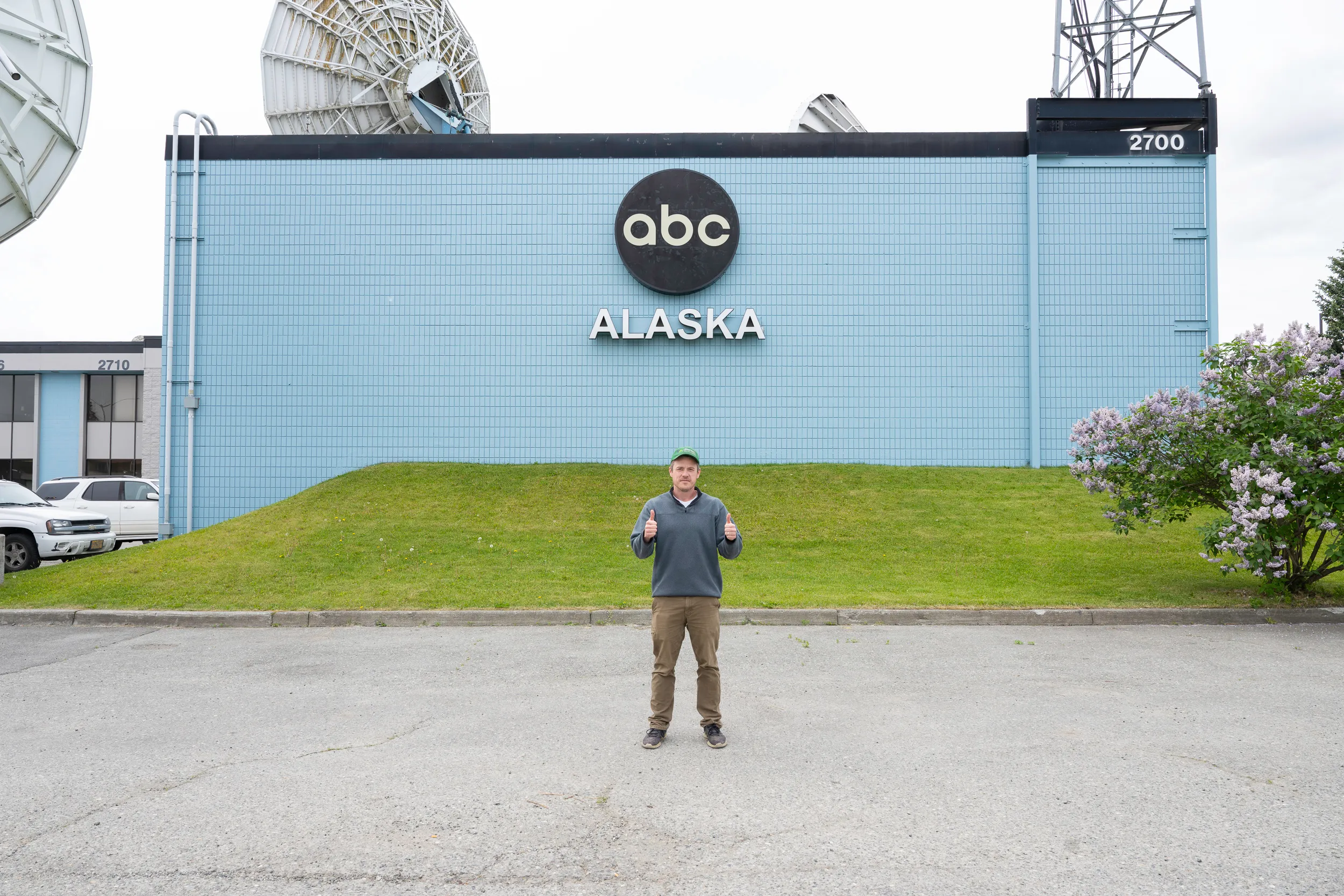
Ben CampbellBen Campbell is the proud owner of Campbell Painting LLC, a successful painting company based in Anchorage, Alaska. As a third-generation member of the painting industry, Ben has a deep-seated passion for his profession that started with his grandfather, who came to Alaska to sell paint. Born and bred in Alaska, Ben's connection to his community is genuine and strong. Since 2006, he has been providing top-quality painting services, enhancing the beauty of Anchorage one building at a time. He also studied at Santa Barbara City College, solidifying his industry knowledge. Ben's journey, including overcoming adversity, is a testament to his resilience and commitment to his craft, which is reflected in the success and reputation of Campbell Painting LLC.