


Essential Tips for a Successful Anchorage Interior Painting Project
Interior Painting
Interior paint does more than refresh a room—it changes how your home feels through the long winter and bright summer days Anchorage is known for. The right plan, products, and process help paint cure well in our climate, look smooth in changing light, and hold up to daily life. Below you’ll find a skimmable guide packed with local know-how so your project runs clean, quick, and stress-free.
Want a pro to handle it all? Campbell Painting specializes in Anchorage Interior Painting with a reliable, neighborly process from start to finish.
Quick-Glance: Key Benefits of Doing It Right (Table)
Benefit
Why It Matters in Anchorage
What To Do
Healthier indoor air
Homes are sealed tight in winter
Choose low-VOC paints and ventilate in short, controlled bursts
Smoother, longer-lasting finish
Dry indoor air can speed surface drying but slow full cure
Use the right primer, maintain 60–75°F, and watch recoat times
Colors that work year-round
Cool winter light vs. bright summer sun
Test large samples on multiple walls; check at different times of day
Easier cleaning
Entryways and kitchens see heavy wear
Pick washable sheens (eggshell/satin for walls) and durable trim enamel
Efficient timeline
Fewer open windows in winter
Plan room-by-room; use quick-dry products; sequence tasks smartly
Local expertise
Anchorage homes have unique quirks
Lean on Campbell Painting’s local process and materials knowledge
Budget control
Paint, prep, and tools add up fast
Calculate coverage, stage purchases, and avoid overbuying
1) Plan Your Timeline Around Anchorage’s Seasons
Anchorage homes experience big seasonal swings. That matters for how paint dries, cures, and looks.
- Winter & early spring: Homes are warm but air is dry. Surface paint may feel dry fast, yet deeper layers still need time to cure. Keep temperatures steady (around 65–72°F), avoid blasting heat directly on fresh paint, and pace recoats so you don’t trap moisture. Ventilate in short cycles (5–10 minutes every hour or two) to exchange air without losing all your warmth.
- Late spring to fall: You’ll get more natural ventilation and daylight. This is ideal for painting large areas, cabinet work, and projects you want ready for holidays. Watch indoor humidity on rainy spells; a small dehumidifier can prevent tackiness.
- Any season: Create a room-by-room plan. Start with low-traffic rooms to refine your system, then move to high-impact spaces (living room, kitchen, hallways).
Pro tip: Block out a realistic sequence: prep → prime → ceilings → walls → trim → doors → final touch-ups. That order limits mess and keeps edges sharp.
2) Choose the Right Paint Type, Sheen, and Primer
Anchorage interiors benefit from durable, low-odor products that cure well in controlled warmth.
- Low-VOC paints: They’re kinder on indoor air, especially when windows are shut. Pair with short, targeted ventilation bursts and good filtration.
- Sheen selection:
Flat for ceilings to hide minor flaws.
- Matte/Eggshell for living rooms and bedrooms—soft look with decent wipeability.
- Satin for hallways, playrooms, and dining areas—more washable without too much shine.
- Semi-gloss or satin enamel for trim, doors, and cabinets—tougher, scrubbable finish.
- Primer matters:
New drywall → PVA or drywall primer for even absorption.
- Stains, smoke, or wood knots → stain-blocking primer to prevent bleed-through.
- Slick surfaces (glossy trim/cabinets) → adhesion primer after a light scuff.
Local note: Dry indoor air can speed the skin-dry stage. Don’t mistake that for full cure. Respect the label’s recoat and cure windows to avoid unwanted texture or print-through.
3) Prep Like a Pro (Anchorage Edition)
Prep is where the “wow” comes from. In our climate, a few details make all the difference.
- Protect & clear: Move furniture to the center; cover with plastic and drop cloths. Remove plates and vent covers. Tape off fixtures and window hardware. Keep walk paths clear; winter gear traces grit and salt—contain it.
- Clean surfaces: Kitchens need a degreaser; bathrooms may have light residue. Soot or micro-film near stoves/fireplaces needs a stronger cleaner. Rinse gently so you don’t leave a film.
- Repair & sand: Fill nail holes and cracks with a fast-drying compound. Feather edges with fine-grit paper. On older trim, address ridges; a quick scuff improves adhesion.
- Prime smart: Spot-prime repairs. Use a full prime on new drywall, heavy patches, or color shifts (e.g., dark red to soft white). Priming evens out porosity, helping your topcoat flow out smoothly.
Anchorage tip: Cold tools and paint cans brought in from the garage can shock your paint. Let everything warm to room temp before you start.
4) Color Strategy for Northern Light
Anchorage’s daylight changes dramatically across the year. Build a palette that thrives in both low winter sun and extended summer days.
- Mind LRV (Light Reflectance Value): Higher LRV colors bounce more light around rooms during dark months. Soft off-whites, warm grays, and muted creams brighten without glare.
- Temperature balance: Cool northern light can read blue—pair it with slightly warmer neutrals so rooms feel welcoming in January yet crisp in July.
- Sampling: Paint two-by-three foot swatches on multiple walls. Label your samples. Check morning, midday, evening, and under your actual bulbs (2700–3000K for cozy, 3500–4000K for balanced).
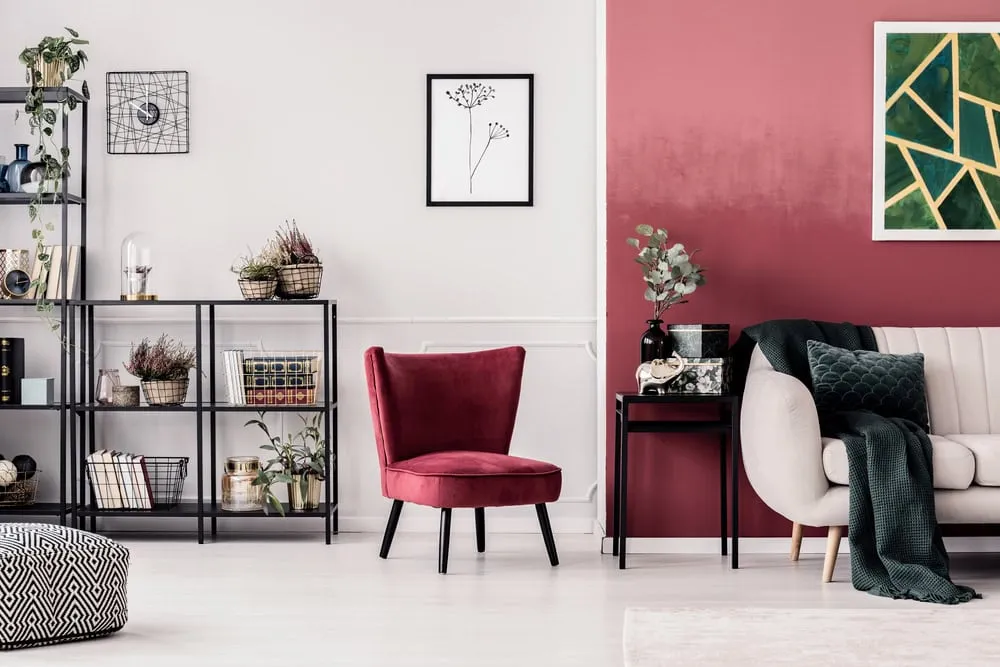
- Accent walls: In living spaces, a gentle accent can add depth without shrinking the room. For small bedrooms, keep accents subtle or use tone-on-tone trim.
Color pairing idea:Soft warm white walls + satin enamel warm white trim + a muted blue-green bedroom accent. It reads cozy in winter and fresh in summer.
5) Tools & Materials Checklist
Having the right gear saves time and keeps finishes consistent:
- Quality rollers (3/8″–1/2″ nap for most walls; 1/4″ for smooth doors/cabinets)
- Angled sash brushes for clean cut-in lines
- High-quality painter’s tape and a sharp utility knife
- Sturdy, low-lint drop cloths
- Sanding sponges (fine/extra-fine)
- Caulk gun and paintable interior caulk
- Spackle/compound, putty knife(s), patching mesh
- Extension pole for ceilings and tall walls
- Step ladder and a stable “bench” platform
- Clean buckets, strainer, and a pour spout
- Safety gear: goggles, mask, gloves, and knee pads
6) A Smooth, Repeatable Workflow
Follow a repeatable flow in every room:
- Clear & mask: Protect floors and fixtures. Tape clean lines along trim after dusting it—tape sticks best to clean, dry surfaces.
- Cut in ceilings and corners: Use a 2–2.5″ angled brush. Keep a wet edge and don’t overload the brush.
- Roll ceilings: Work in sections with overlapping passes (“W” pattern), then lay off lightly in one direction for uniform texture.
- Walls: Cut in top, sides, and baseboards; then roll. Keep lighting consistent so you can spot misses.
- Trim & doors: Lightly sand, vacuum dust, tack cloth, then two coats of enamel. Lay off in long strokes for a glassy look.
- Second coat timing: Respect the label. Cold or very dry conditions can shift the window—if in doubt, give it a bit more time so the finish lays flat.
- Edge control: If you’re taping, score along the paint edge with a light blade pass before removing the tape for laser-clean lines.
7) Special Surfaces in Anchorage Homes
- Textured drywall (orange peel/knockdown): Use a 3/8″–1/2″ nap roller. Don’t press hard—a gentle roll avoids lap marks.
- Wood paneling: Clean, degloss, prime with adhesion/stain-blocking primer, then paint. Caulk deep seams for a modern look.
- Cabinets: Degrease, degloss lightly, fill dings, prime for adhesion, then a durable enamel topcoat. Plan for cure time before heavy use.
- Masonry or stove surrounds: Verify heat-safe coatings where needed; keep standard interior paint a safe distance from high heat zones.
- Windows & doors: Seasonal movement is real. Use flexible, paintable caulk for small gaps so the finish won’t crack mid-winter.
8) Ventilation, Safety, and Comfort in Winter
- Short ventilation cycles: Open a couple of windows for 5–10 minutes every hour or two while fans move air outward. You’ll exchange air without freezing the room.
- Filtration: Run your HVAC fan with a clean filter, or use a portable air purifier to catch fine particulates.
- No unvented combustion heaters: They add moisture and fumes—bad for curing and health.
- Low-odor choices: Low-VOC paints plus smart airflow keep the project comfortable for kids and pets.
9) Budgeting & Coverage (No Surprises)
You can estimate gallons and time with simple math:
- Wall coverage: A gallon typically covers 350–400 sq ft per coat on smooth walls. Two coats are standard.
- Room example: A 12′ × 15′ room with 8′ ceilings has roughly 432 sq ft of wall area after subtracting doors/windows. At 375 sq ft per gallon, you’ll need about 1.2 gallons per coat → plan on 3 gallons to be safe (walls + touch-ups).
- Ceiling & trim: Add 1 gallon for ceilings (two coats if changing color) and 1–2 quarts of enamel for trim/doors, depending on detail level.
- Time planning: One average room can be a 1–2 day project including prep, two coats on walls, and trim work, assuming good conditions.
Smart tip: Buy a little extra for labeled touch-up cans. Anchorage lighting shifts mean small scuffs can show—having the exact batch on hand is a lifesaver.
10) Common Pitfalls (and How to Avoid Them)
- Rushing recoats: Paint feels dry but isn’t cured; give it the recommended window.
- Skipping primer on repairs: You’ll see flashing (dull patches). Spot-prime at least.
- Over-rolling: Pressing hard creates texture and lap marks. Let the roller do the work.
- Ignoring dust: Anchorage’s winter grit and ash can ride in on boots—vacuum and tack between steps.
- Inconsistent lighting: Paint under the same light you’ll live with; swap bulbs if needed during the project.
11) Room-by-Room Best Practices
Living room / family room
- Aim for washable eggshell or satin.
- Float and sand frequent nail pops, especially on interior walls that shift slightly with seasonal changes.
- If you have a large window wall, test sheens to avoid glare.
Kitchen
- Degrease first, even if it looks clean.
- Satin or scrubbable matte resists frequent wiping.
- Consider a subtle color contrast for the backsplash area for easy spot repairs.
Bedrooms
- Quiet, low-sheen walls feel restful and warm in winter.
- Seal up small gaps around trim for a tighter, cleaner look.
Bathrooms
- Use a mildew-resistant interior paint.
- Vent the room during cure; a small fan pointed out a window works wonders.
Hallways & entries
- High-traffic zones benefit from satin sheen and durable trim enamel.
- Plan for corner guards or extra care where backpacks and gear bump.
12) Touch-Ups and Care After Painting
- Cure window: Avoid hanging heavy frames or rolling furniture against walls for the first week.
- Cleaning: Use a soft sponge and mild soap for marks; avoid harsh scrubs for the first month.
- Humidity balance: Keep 35–45% if possible—too dry and static dust clings; too humid and you can get mild print-through.
- Label it: Note color, brand line, sheen, and date on a strip of tape on your extra can for easy reference later.
13) Why Homeowners in Anchorage Choose Campbell Painting
- Local expertise: We tune product choices and schedules to Anchorage conditions so your finish lays smooth and cures properly.
- Neat, respectful process: Floors covered, edges clean, rooms put back together—no chaos left behind.
- Clear communication: From color sampling through final walk-through, you’re never guessing what’s next.
- Flexible timing: We plan projects around your family’s routine and the season’s realities.
- Quality guarantee: If something needs attention, we’ll make it right quickly.
When you’re ready, Campbell Painting can handle your entire project—from prep and priming to flawless finishes—so you can enjoy the result sooner. Explore how we approach Anchorage Interior Painting and get a friendly estimate.
14) Sample 2-Day Interior Timeline (One Standard Room)
Day 1
- Morning: Move furniture, mask, repair, sand, dust
- Midday: Prime patches or full walls if needed
- Afternoon: Cut in and roll first coat on ceiling and walls
Day 2
- Morning: Light scuff where needed, second coat walls
- Midday: Trim and door enamel coat 1
- Afternoon: Trim and door coat 2, detail work, cleanup, re-hang plates and vents
15) Eco-Smart Choices for Anchorage Homes
- Low-odor interiors with low-VOC paints and caulks
- Washable finishes reduce the need for frequent repaints
- Proper prep extends life, meaning fewer materials over time
- Thoughtful color choices brighten spaces, lowering the urge for added lighting
FAQs: Anchorage Interior Painting
1) What’s the best time of year to paint interiors in Anchorage?Any time works if you control temperature and ventilation. Winter needs short, targeted air exchanges and steady indoor temps; late spring to fall offers better natural ventilation and longer daylight. The key is maintaining recommended curing conditions.
2) How do I keep paint from drying too fast in dry winter air?Avoid direct heat on fresh paint, use a clean roller that’s not over-spun, and keep the room around 65–72°F. Respect recoat times. If walls feel like they’re flashing, give them a touch more time between coats so the finish levels.
3) Which sheens are best for Anchorage homes?Flat for ceilings, eggshell or matte for living spaces and bedrooms, satin for hallways and busy rooms, and semi-gloss or satin enamel for trim and doors. These balance washability with a calm look in winter light.
4) Do I need to prime if I’m just changing color?If you’re going from light to light and walls are in good shape, spot-priming repairs may be enough. Dark-to-light, stained areas, or slick surfaces call for a bonding or stain-blocking primer for even coverage.
5) How long before I can move furniture back?Usually within 24 hours for gentle placement, but avoid pressing items against walls for several days. Full cure can take a couple of weeks depending on product and conditions; be gentle with cleaning during that period.
Ben CampbellBen Campbell is the proud owner of Campbell Painting LLC, a successful painting company based in Anchorage, Alaska. As a third-generation member of the painting industry, Ben has a deep-seated passion for his profession that started with his grandfather, who came to Alaska to sell paint. Born and bred in Alaska, Ben's connection to his community is genuine and strong. Since 2006, he has been providing top-quality painting services, enhancing the beauty of Anchorage one building at a time. He also studied at Santa Barbara City College, solidifying his industry knowledge. Ben's journey, including overcoming adversity, is a testament to his resilience and commitment to his craft, which is reflected in the success and reputation of Campbell Painting LLC.