

Cabinet Painting vs. Replacement: Budget-Friendly Kitchen Updates for Alaska Homes
Exterior Painting
Many Alaska homeowners weigh whether to paint or replace their cabinets to refresh their kitchens. To make an informed decision, you should assess your budget, the potential cost savings of painting versus replacement, the condition of the existing cabinets, and how harsh weather and humidity affect finishes. If your home was built before 1978, be aware of potential lead paint hazards that require professional testing and proper containment. For long-term durability and resale, replacement offers a more lasting investment, while painting provides an immediate, affordable transformation when done with professional preparation and high-quality materials.
Key Takeaways:
- Painting cabinets typically costs 60–80% less than replacement, avoids long lead times and high shipping expenses common in Alaska, and yields a big visual impact for a smaller budget.
- With proper surface preparation, high-quality primers, and moisture-resistant topcoats, painted cabinets can withstand Alaska's temperature and humidity fluctuations, reducing landfill waste.
- Painting provides a faster timeline and strong resale appeal; for local expertise and estimates, consult https://paintingalaska.com/
The Financial Landscape: Comparing Costs of Cabinet Painting and Replacement
Cost Comparison: Painting vs Replacement
Cabinet Painting (Refinish)
Cabinet Replacement (New Cabinets)
Materials: Primer, topcoat, sanding supplies, fillers, masking—typically $200–$800 for an average 10–20 door kitchen.
Materials: Stock cabinet boxes and doors start around $3,000–$8,000$20,000.
Labor: Repainting costs $1,000–$4,000, depending on size and preparation (spray application increases labor time).
Labor: Installation, trim, and possible plumbing/electrical work typically costs $2,000–$6,000; custom installations may be higher.
Total Typical Cost: $1,200–$4,800 for most Alaska kitchens—often 50–70% cheaper than replacement.
Total Typical Cost: $5,000–$30,000+, depending on cabinet quality and scope.
Timeframe: 3–7 days for a full in-place refinish; spray jobs add additional curing time.
Timeframe: 1–3 weeks, including demo, installation, and finish work; delays are common with custom orders.
Longevity: 7–15 years with quality finishes and proper maintenance.
Longevity: 15–50 years, depending on materials and construction.
Alaska Considerations: Expect 10–25% higher material/shipping costs in remote areas; pricing in Anchorage and Fairbanks is more competitive.
Alaska Considerations: Lead times lengthen in winter; freight and handling can add $500–$2,000 or more to large orders.
Breakdown of Material Costs
For a typical 12–15 door kitchen, you can expect paint, primer, caulk, and masking to total approximately $300–$700; higher-end conversion varnishes or spray-grade products increase this cost to around $1,000. Replacement materials vary widely: stock cabinets may cost $3,000–$6,000, while semi-custom options commonly fall within the $8,000–$15,000 range, plus the cost of hardware and finishes.
Labor Expenses: Painting vs. Replacement
Pro painters in Alaska typically charge $35–$75/hour or a project flat fee; a full kitchen refinish often totals $1,000–$4,000, factoring in prep and multiple coats. Cabinet installers charge $50–$100/hour, and installation plus finish work can increase replacement labor costs to $2,000–$6,000, with higher fees for custom fits or plumbing/electrical adjustments.
Expect labor to be the biggest variable. Painting labor breaks down into hours for removal of doors/hardware (often 6–12 hours), sanding and prep (8–20 hours), spray/brush coats and curing (10–30 hours), and reassembly; total painter man-hours for an average kitchen often fall between 24 and 60 hours. Replacement labor includes demolition (4–12 hours), cabinet installation (20–60 hours), countertop fitting and plumbing tie-ins (an additional 8–20 hours), and potential carpentry to square walls—custom installations can more than double standard labor. Old finishes with lead paint require containment and disposal procedures that add significant time and cost, so you should budget for hazardous-material handling if your home was built before 1978.
The Aesthetic Impact: Visual Transformation and Value
How Paint Can Refresh Tired Cabinets
A fresh coat can modernize your kitchen for a fraction of replacement cost: expect $800–$3,500 for quality prep, primer, and durable topcoats, often saving 60–80% versus new cabinets. You can switch from dated oak to on-trend matte gray or two-tone white islands in just a few days, and choosing an acrylic-urethane or conversion varnish finish adds chemical and wear resistance suited to Alaska's seasonal humidity.
Replacement: The Fresh Canvas Approach
Replacing cabinets delivers a full redesign—new layouts, deep drawers, integrated organizers, and finishes that can't be achieved. Typical projects run $8,000–$25,000 with lead times of 4–12 weeks, and often boost resale value in mid- to high-end markets by a noticeable margin.
Opting for custom or semi-custom units lets you reconfigure flow (island depth, appliance garages, pull-out pantries) and select materials—solid maple or birch for longevity, thermofoil for budget-friendly options, or painted-in-place MDF for a smooth finish; expect 20–40 years of service from solid-wood builds versus 10–15 years for lower-cost lines. In Alaska plan for logistics: cabinet lead times lengthen in winter, and shipping and labor can add 10–30% to mainland quotes, so factor freight, crating, and potential on-site modifications into your budget; adding soft-close hardware, full-extension drawers, and under-cabinet lighting increases both utility and perceived value, with many homeowners seeing the greatest return when pairing new cabinets with updated countertops and hardware.
Durability and Longevity: Which Option Holds Alaska's Climate?
Paint Durability in Extreme Conditions
You should expect painted cabinets in Alaska to face rapid indoor-outdoor temperature swings, high interior moisture, and coastal salt air, all of which accelerate wear and tear. High-build waterborne acrylics, combined with an epoxy primer and a two-component polyurethane or conversion varnish topcoat, typically last 7–15 years under heavy use. In contrast, inexpensive latex over a bare substrate can start chipping within 2–4 years. Proper preparation—de-glossing, solvent cleaning, and sealing end-grain—reduces risks such as flaking, peeling, and mildew.
The Lifespan of New Cabinetry
Expect new cabinetry lifespans to range widely: particleboard boxes often show trouble at 10–20 years, while plywood or solid-wood construction commonly endures 20–40+ years with good finishes and climate control. Factory finishes and warranties of 5–25 years reflect the material and finish quality; thermal cycling can loosen joints and delaminate lower-grade cores more quickly in Alaskan homes.
Field examples: a coastal Alaska remodel found thermofoil doors delaminating after a decade, while plywood-box cabinets with marine-grade varnish in an Anchorage home remained sound after 30 years. You can increase longevity by choosing plywood or solid-core doors, specifying moisture-resistant adhesives, and maintaining a steady indoor humidity level (ideally 30–50%). These choices convert a higher upfront cost into decades of reliable service in harsh northern conditions.
The Time Factor: Speed of Kitchen Updates
Timeframe for Cabinet Painting Projects
A typical full-cabinet repaint for a 10×10 kitchen takes 3–7 days with a professional crew: degreasing and prepping on day one, priming and sanding on day two, and applying two finish coats over the next 1–2 days with 2–6 hour flash times, followed by an overnight tack-free cure. In Alaska, add 1–3 days in colder months to account for longer drying times and controlled indoor humidity. You can usually keep a basic kitchen workflow during the project with temporary setups.
Installation Timelines for New Cabinets
Stock cabinets typically arrive in 1–14 days, semi-custom cabinets in 3–8 weeks, and fully custom cabinets in 8–12+ weeks. Professional installation for an average kitchen typically runs 2–5 days, extending to 1–2 weeks for complex islands or structural changes. Alaska shipping or remote delivery can add 1–3 weeks to lead times, and any electrical/plumbing relocations will lengthen the schedule.
Practical planning examples help: an Anchorage homeowner ordering semi-custom cabinets saw a 6-week factory lead time, plus 10 days of freight from the Lower 48, followed by a 4-day installation—totaling about 8½ weeks. You can shorten lead times by choosing stock units, paying expedite fees of 10–25%, or scheduling installations in the summer when freight and contractor availability are better. Watch for hidden issues, such as water damage or uneven walls, which can add several days and often require on-site cabinet modifications.
Environmental Considerations: Sustainable Choices in Kitchen Renovation
Eco-Friendly Paint Options
Choose low- or zero-VOC interior paints—many zero-VOC formulas measure under 5 g/L VOC—to reduce indoor off-gassing and improve air quality. Water-based acrylic enamels offer durable, washable finishes that are suitable for Alaska's humidity and frequent temperature swings. Look for products with Green Seal or similar certifications and durable sheen options to extend the time between repainting, thereby reducing long-term resource use.
Waste Management: Old Cabinets vs. New
Refinishing or repainting keeps most cabinet boxes intact, diverting hundreds of pounds of wood and hardware from landfill in a typical kitchen and often costing less than disposal and replacement. You can donate usable doors and hardware to Habitat ReStore or local salvage centers. However, if your cabinets were manufactured before 1978, test for lead paint and arrange for professional abatement before sanding or demolition.
Full replacement commonly generates 400–800 lbs of waste for an average kitchen; choosing deconstruction over demolition can salvage up to 85% of lumber, fixtures, and hardware for reuse. In Alaska, hauling and tipping fees can add significant costs in remote areas, so you may save money by coordinating donations, hiring contractors who offer salvage services, or selecting a local recycler that separates metal and wood to lower disposal volume and greenhouse‑gas emissions from manufacturing new cabinets.
Home Value Considerations: ROI on Painting vs. Replacement
Real Estate Insights on Kitchen Renovations
Local and national data show you often get a stronger ROI per dollar from cabinet painting than full replacement: painting typically returns 70–80% of cost, while full replacement commonly returns 50–60%. In Alaska, a paint/refinish project typically costs between $1,500 and $5,000, compared to replacement costs of approximately $8,000 to $25,000, depending on size and materials. This makes paint a high-leverage option to boost resale value.
Trends in Buyer Preferences: Painted vs. New Cabinets
Buyers increasingly favor updated finishes and move-in readiness over brand-new cabinetry. Painted shaker or flat-panel styles in white, gray, or warm greige score well with younger buyers, while some buyers still value solid-wood replacements. You can shorten days on market in competitive Alaska neighborhoods by presenting a refreshed, neutral kitchen rather than an older, dated set of cabinets.
To convert buyer interest into value, use a stain-blocking primer and apply at least two topcoats of durable acrylic enamel or conversion varnish. Swap outdated hardware and address hinge alignment. For knotty pine or birch, a shellac or oil-based primer is required to stop tannin bleed. Local remodelers report that a $1,500–$3,500 paint and refinish job/, plus new knobs, often achieves a comparable visual impact to a $12,000–$18,000 replacement, preserving the budget while maintaining high appeal.
DIY vs. Professional Help: Weighing Your Options
Pros and Cons of DIY Cabinet Painting
You can save roughly $1,000–$4,500 compared to full replacement. Materials for a 10-door kitchen typically run $200–$800, and most DIYers complete the project in 2–4 weekends. However, expect a learning curve for spraying and sanding, as well as a higher chance of surface imperfections without professional preparation.
Pros
Cons
Lower out‑of‑pocket cost
Labor‑ and time‑intensive
Full control over color and timing
Risk of uneven sheen or brush marks
Learnable skills for future projects
Steep learning curve; wasted paint if you mess up
Quick cosmetic refresh on weekends
May not last as long without professional prep
No contractor scheduling delays
No warranty or insurance coverage
Material costs often <$1,000
Tool costs can add $100–$400 (sprayer, sander)
Avoid hauling/removal fees
Sanding old finishes can create a lead dust hazard
Immediate satisfaction of DIY completion
The kitchen may be unusable for days during work
When to Hire a Professional
Opt for a pro if cabinets show structural damage, more than ~20% of doors need repair, or you want a factory‑grade spray finish; professionals typically finish a full repaint in 2–5 days, offer warranties, and in Anchorage, a repaint job commonly ranges from $1,200–$4,500 depending on size and finish.
Large kitchens, inset doors, specialty finishes (two‑component catalyzed urethanes or conversion varnishes), or homes built before 1978 where lead‑safe practices are required should push you toward hiring a licensed pro; contractors bring controlled spray booths, proper ventilation, and insurance, and in remote Alaska locations you should factor in travel fees that can add about 10–25% to the quote.
Future-Proofing Your Kitchen: Trends to Consider
Timeless Colors and Styles for Painted Cabinets
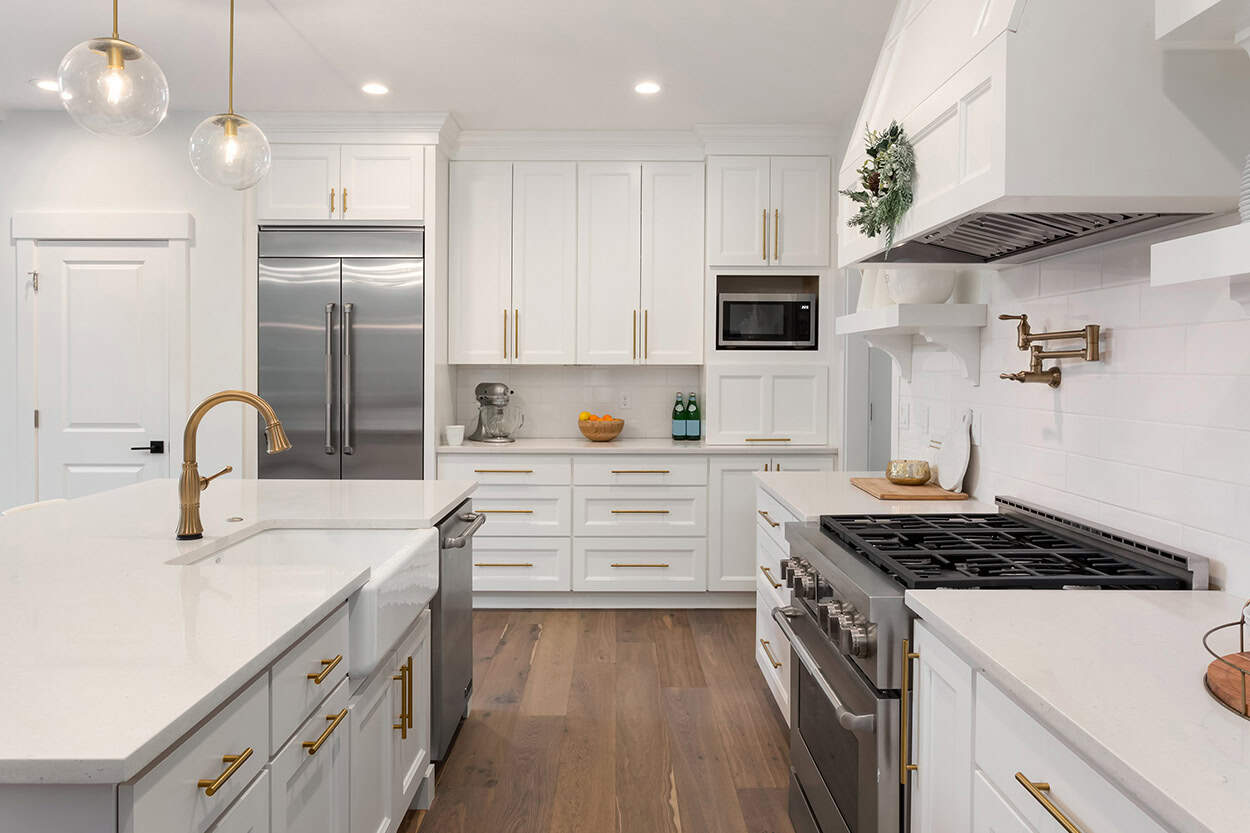
Opt for enduring palettes like navy, deep green, warm white, or greige, and consider a two-tone layout with a darker island for visual depth. Pair with matte or satin finishes for a modern appeal and durability in high-use Alaska kitchens. You can often refresh cabinets for 20–50% of replacement cost, making painted classics a smart budget-forward choice that still boosts resale and curb appeal.
Features and Functionality for New Cabinet Designs
Prioritize soft-close hinges, full-extension slides, deep "12–14" drawers, pull-out pantries, and built-in organizers to maximize usability; add LED undercabinet lighting and integrated charging stations for everyday convenience. Avoid particleboard boxes in favor of plywood to resist seasonal temperature and moisture shifts common in Alaska homes.
Expect materials and hardware to drive costs: soft-close hinges typically cost $10–30 each, full-extension undermount slides range from $25–60 per drawer, and pull-out pantry systems cost $500–1,500 installed. Full-extension drawers let you access nearly all contents versus 2/3 access on standard slides, and choosi" g 3/4″ plywood boxes with dovetail drawer construction extends cabinet life—saving you replacement expense in the long run while improving daily function.
Summing up
Updating your kitchen doesn't have to mean a full-scale replacement. As we've explored, professional cabinet painting offers a stunning, budget-friendly transformation for Alaska homes. For a high-quality finish that revitalizes your space at a fraction of the cost, trust the experts at Campbell Painting to bring your vision to life with precision and care.
FAQ
Q: When is painting my kitchen cabinets a better budget choice than full replacement?
A: Painting is typically best when cabinet boxes and layout are structurally sound, doors close properly, and the goal is a cosmetic update (color, sheen, surface wear). It preserves layout and plumbing/electrical locations, costs significantly less than full replacement, and has shorter lead times. Choose replacement when cabinets are water-damaged, warped, infested with pests, or when you need a different layout, materials, or built-in storage solutions.
Q: How does Alaska's climate affect cabinet painting and replacement decisions? Alaska's cold, dry winters and seasonal humidity fluctuations increase wood movement, which can impact paint curing. Professional painters utilize products and methods tailored to these conditions, including climate-controlled spray booths or heated workspaces, high-quality enamels or conversion varnishes, and extended cure times. Replacement materials shipped to Alaska may incur higher costs and take longer to arrive; contractors typically factor weather windows into their scheduling. Plan projects for milder months when possible or use contractors experienced in Alaska's conditions.
Q: What are the realistic cost and timeline differences between painting, refacing, and replacing cabinets in Alaska?
A: Painting or refinishing is the most budget-friendly and fastest option—small kitchens can be done in days to a week; larger jobs in one to two weeks, depending on pickup/return of doors. Refacing or replacing doors/drawer fronts is mid-range in cost and takes one to three weeks. Full replacement is the most expensive and time-consuming option, taking several weeks to months, especially when custom cabinetry and lead times are involved. Local shipping and seasonal demand can increase costs in Alaska, so obtain written estimates that clearly list materials, labor, and any off-site work.
Q: How long will painted cabinets last, and what maintenance do they need compared with new cabinets?
A: Professionally painted cabinets with durable finishes typically last 7–15 years before a significant refresh is needed, depending on finish quality and kitchen use. New stock cabinets can last 15–30+ years; custom solid-wood cabinetry can last decades. Maintenance for painted cabinets includes gentle cleaning, avoiding harsh chemicals, and spot-touching chips or high-wear areas. Replacing hardware, adding protective topcoats in high-traffic areas, and maintaining stable humidity levels in the home can all extend the lifespan.
Q: Should I hire a pro in Alaska or attempt a DIY cabinet paint or refacing project?
A: Hire a pro if you want durable, factory-grade finishes, color-matching, sprayed application, or if you lack time or experience with prep and curing. Pros handle ventilation, temperature-controlled cure, and complex repairs. DIY can save money on small projects if you have good tools, time for meticulous preparation, and can control indoor drying conditions; improper preparation or inferior finishes will shorten the longevity. For Alaska-specific expertise and local scheduling, consider contacting a local provider such as PaintingAlaska.com for quotes and scope options.
Ben CampbellBen Campbell is the proud owner of Campbell Painting LLC, a successful painting company based in Anchorage, Alaska. As a third-generation member of the painting industry, Ben has a deep-seated passion for his profession that started with his grandfather, who came to Alaska to sell paint. Born and bred in Alaska, Ben's connection to his community is genuine and strong. Since 2006, he has been providing top-quality painting services, enhancing the beauty of Anchorage one building at a time. He also studied at Santa Barbara City College, solidifying his industry knowledge. Ben's journey, including overcoming adversity, is a testament to his resilience and commitment to his craft, which is reflected in the success and reputation of Campbell Painting LLC.